A luxury van should feel good from the passenger seat, not just look impressive in a photograph. When buyers compare comfort options, though, similar-sounding names can describe very different things. Factory seating upgrades, comfort-oriented chassis equipment and a true full-air suspension are not interchangeable.
The clearest starting point is this: a factory comfort feature may improve how you sit or provide a particular factory chassis configuration. A full-air system changes suspension hardware and can add automatic ride-height control, depending on the exact system and application. Neither label alone guarantees that a particular converted van will feel right for you.
First, separate seat comfort from suspension comfort
The Mercedes-Benz 2026 Sprinter Passenger Van configurator lists a Rear Comfort Package. Its listed components include comfort benches and convenience head restraints. That is a passenger-seating package—not evidence that the van has full-air suspension or a suspension upgrade.
This distinction matters because the word “comfort” is used in more than one part of a vehicle. A chair can feel supportive while the suspension still gives a firm response to a pavement joint. Conversely, suspension changes cannot turn an uncomfortable seating arrangement into the right cabin for your passengers.
Factory options and prices depend on model and build. If a seller describes a van as having “factory comfort suspension,” ask which actual chassis option they mean rather than treating the Rear Comfort Package as proof. That is a quick clarification, not an invitation to turn the purchase into a technical project.
The appeal of a factory-configured starting point
For some buyers, the simpler path is a van whose existing factory chassis and seating already feel pleasant on their usual roads. Keeping that configuration may be enough when the passengers enjoy the ride and the vehicle suits the trips you take.
The attraction is simplicity: fewer aftermarket suspension components to consider and no need to buy an upgrade merely because it has a premium name. A factory comfort-oriented suspension option, where actually fitted, remains different from a system that replaces springs with controlled air components.
The limitation is equally straightforward. A seating package does not add automatic leveling. Nor should a factory comfort label be read as a promise of air-controlled ride height. The exact equipment—not the wording of the advertisement—determines what the van can do.
What true full air adds to the conversation
VB-Airsuspension's official Sprinter overview distinguishes VB-FullAir from helper systems. It describes FullAir 2C or 4C as fully automatic air suspension on two or four wheels and discusses consistent ride height and comfort-oriented applications.
In an appropriate full-air installation, air springs and controls do more than supplement the original setup. The system can manage ride height automatically as conditions or loading change. Available functions depend on the exact approved system, axle coverage and vehicle application; two-wheel and four-wheel arrangements are not the same specification.
For a passenger, the reason to consider it is the experience: how the van responds over uneven pavement and how settled it feels on familiar trips. Automatic leveling or consistent ride-height capability may also be useful to a buyer whose passenger group varies. Those are reasons to compare the actual van, not promises of a fixed improvement on every road.
Helper air is a different option
A van advertised as having “air ride” may have a helper system rather than full air. VB's Sprinter suspension FAQ separates fully automatic FullAir from SemiAir helper suspension with manual control, as well as other suspension approaches.
Helper air provides additional support alongside the existing suspension. Full air changes the underlying suspension arrangement more substantially. Both can have a place, but one should not be sold as the other.
The helpful buying question is short: “Which system is installed?” Once you know that, you can compare the relevant features without needing to learn every component name.
A compact comparison for buyers
| Approach | What it means for the buyer | Honest tradeoff |
|---|---|---|
| Factory comfort seating or chassis features | A factory-configured starting point; confirm whether the option concerns seats or suspension | A comfort package name alone does not establish automatic leveling or full air |
| True full-air system | Air-suspension hardware with automatic control; ride-height functions depend on the exact application | More components and a more specialized service path |
| Helper air | Additional support alongside the existing suspension | Not equivalent to a full-air conversion |
These are different approaches, not a universal ranking. Road surface, passenger loading, tires, seating and the conversion itself all contribute to how the trip feels. There is no credible single “percent smoother” number to apply to every luxury Sprinter.
Who may value each approach?
A buyer who prefers straightforward ownership and already likes the van's ride may be happy with its factory configuration. A buyer who takes frequent longer passenger trips and strongly values suspension refinement or automatic ride-height capability may find a properly matched full-air system worth considering.
The tradeoff is added complexity. Air components and controls introduce their own maintenance and service needs, so a premium system is not a no-maintenance promise. Just as importantly, not every converted van has factory comfort suspension, helper air or full air; those features must be established for the individual vehicle.
If two suitable vans are available, a back-to-back drive can be a helpful way to compare them. Spend some of that time in the passenger seat and notice what you actually enjoy: the response over ordinary pavement, the chair's support and the overall cabin feel. It is a useful buying step, not a burdensome test protocol.
Choose comfort you can feel
The best decision is not automatically the most elaborate system. It is the combination of seating, layout and suspension that makes your own passengers comfortable and fits how you want to own the van.
Keep the comparison grounded in actual equipment. Separate the Rear Comfort seating package from suspension, distinguish full air from helper air, and let the passenger experience guide the final choice.
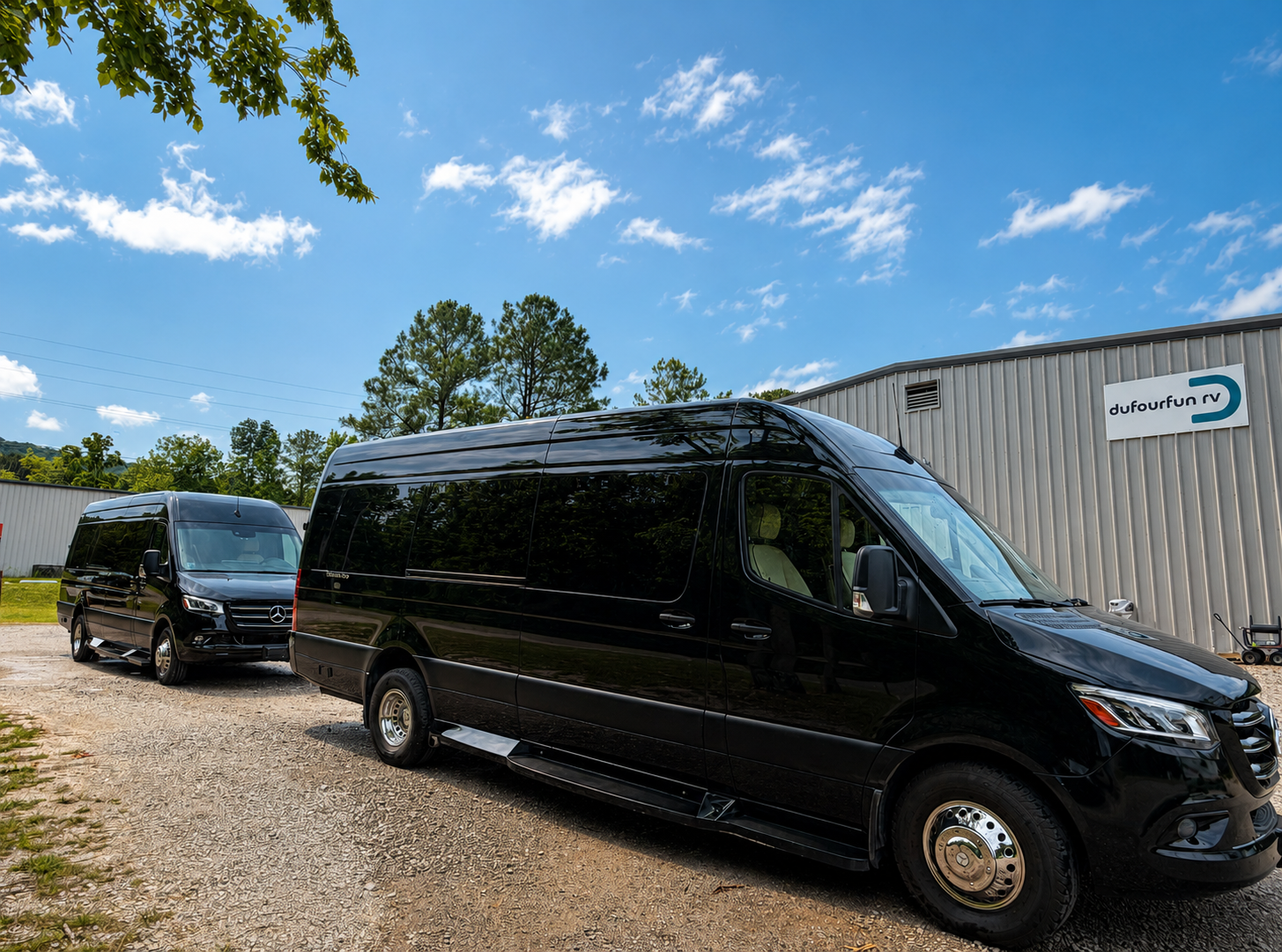
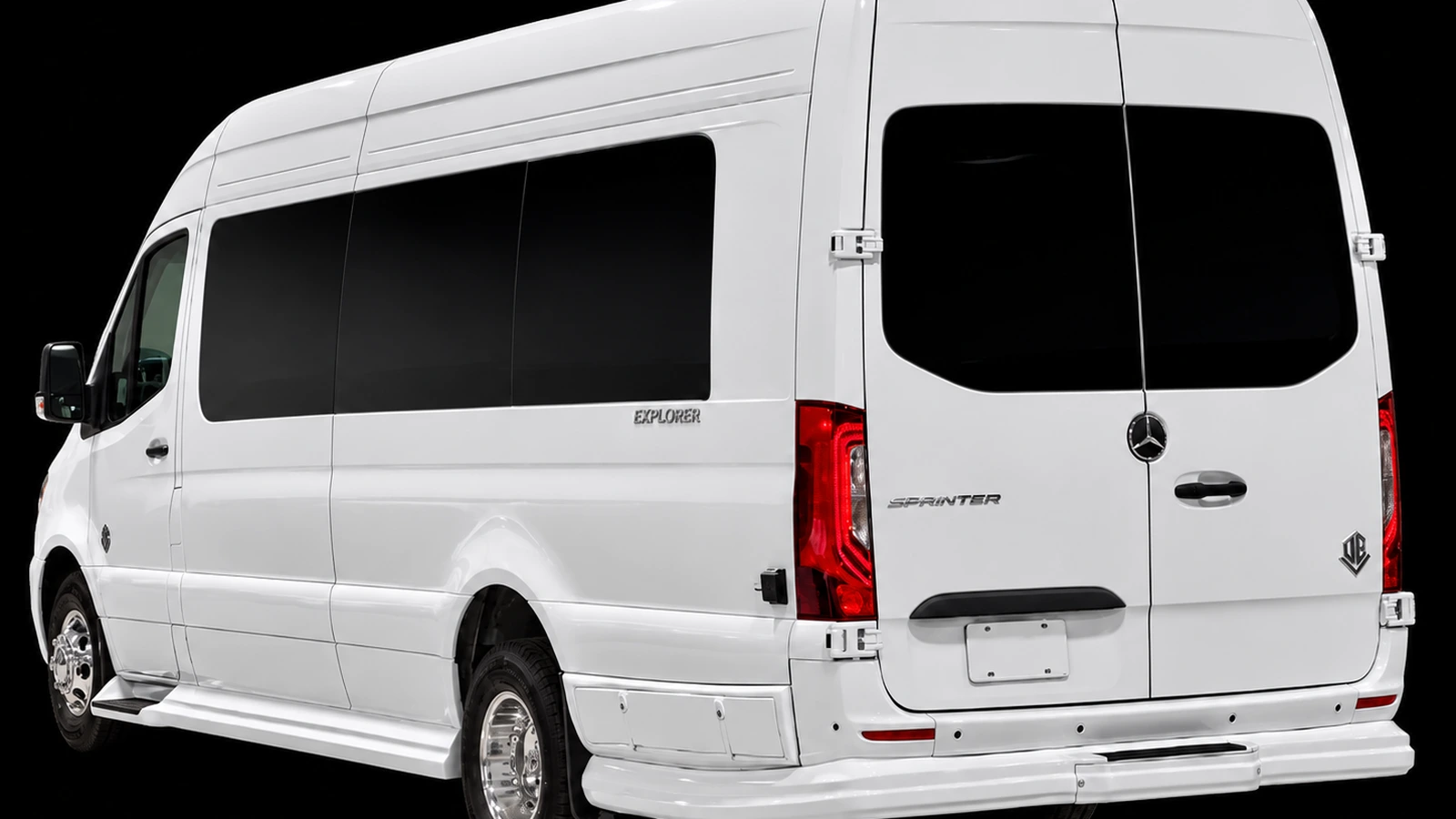
Dufourfun Vans inventory photo; cropped and resized. Exterior illustration, not evidence of full-air suspension.