Every trip starts the same way: someone opens a door and climbs in. If that moment is easy, the whole outing feels easier. If it is awkward, every passenger notices — every single time.
What "easy boarding" actually covers
Boarding is more than the step. It is a handful of details working together:
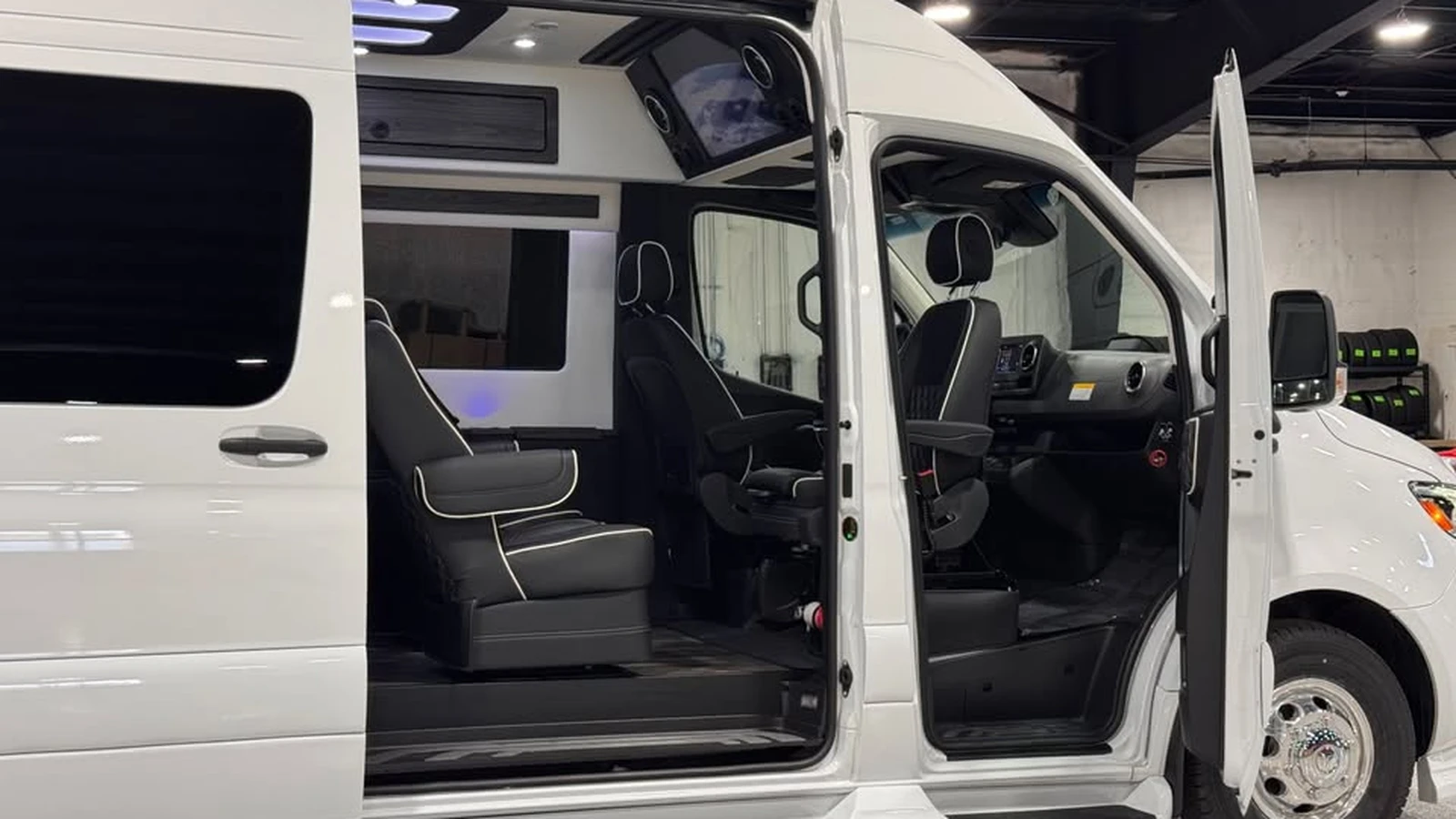
- The entry step. A fixed running board, a powered step, or the factory step height each feel different, especially for older guests, kids, and anyone in dress shoes.
- Door operation. A sliding door that opens smoothly (manually or powered, depending on the van) sets the tone before anyone sits down.
- Handholds. A sturdy grab handle in the right spot gives people something stable to hold as they step up.
- Lighting. Step and aisle lighting matter at night — leaving a dinner, a game, or an airport.
- A clear aisle. Room to walk to the back without turning sideways or climbing over a bag.
- Seat access. Captain's chairs that swivel or slide can make it easier to reach the rear rows.
Why it matters more on repeated trips
For one trip, a tricky step is a small annoyance. For a family that travels every month, or a business owner who regularly picks up clients, it is something everyone experiences again and again. Easy boarding is the kind of comfort you appreciate most because you use it most.
Equipment varies van to van
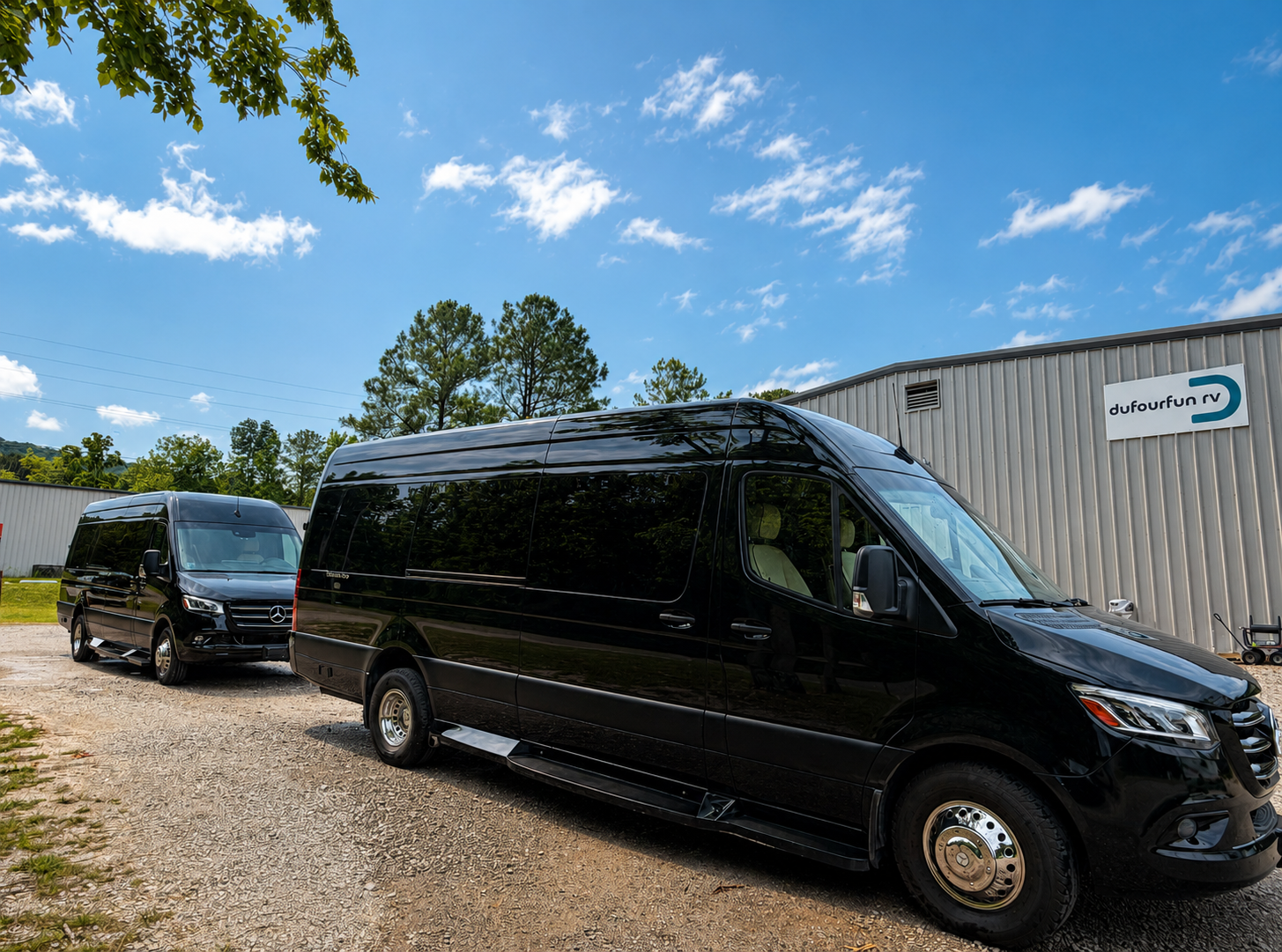
Builders such as Midwest Automotive Designs and Ultimate Toys / Ultimate Coach offer different layouts and options, and used vans from either can differ widely depending on how they were originally ordered. Treat brand names as a starting point, not a guarantee: confirm the step, door, handle and lighting setup on the exact vehicle you are considering.
Ask the seller for a short, current video of someone opening the side door and walking to the back row. It shows more than a photo set.
Comfortable is not the same as accessible
A running board or powered step can make a van more comfortable to enter, but it does not by itself make a van accessible for a person with a disability, and it does not by itself establish that a vehicle satisfies any applicable accessibility requirement.
If someone in your group needs disability-specific equipment, NHTSA's adapted-vehicle guidance recommends working with an NHTSA-registered mobility equipment dealer. It also says registered dealers must provide a written statement of the work performed and label any affected federal safety standards near the vehicle's certification label. That is a specialist process — plan it with qualified professionals.
How to judge boarding when you buy
- Watch it in use: door, step, handhold, walk to the back.
- Check the lighting at night if you can.
- Ask what equipment is factory, what is aftermarket, and whether it all works today.
- Sit in every row once, just to feel how people will get there.
Find the van that fits your calendar
If a familiar, comfortable cabin sounds like the right way to travel, start with what is available now.