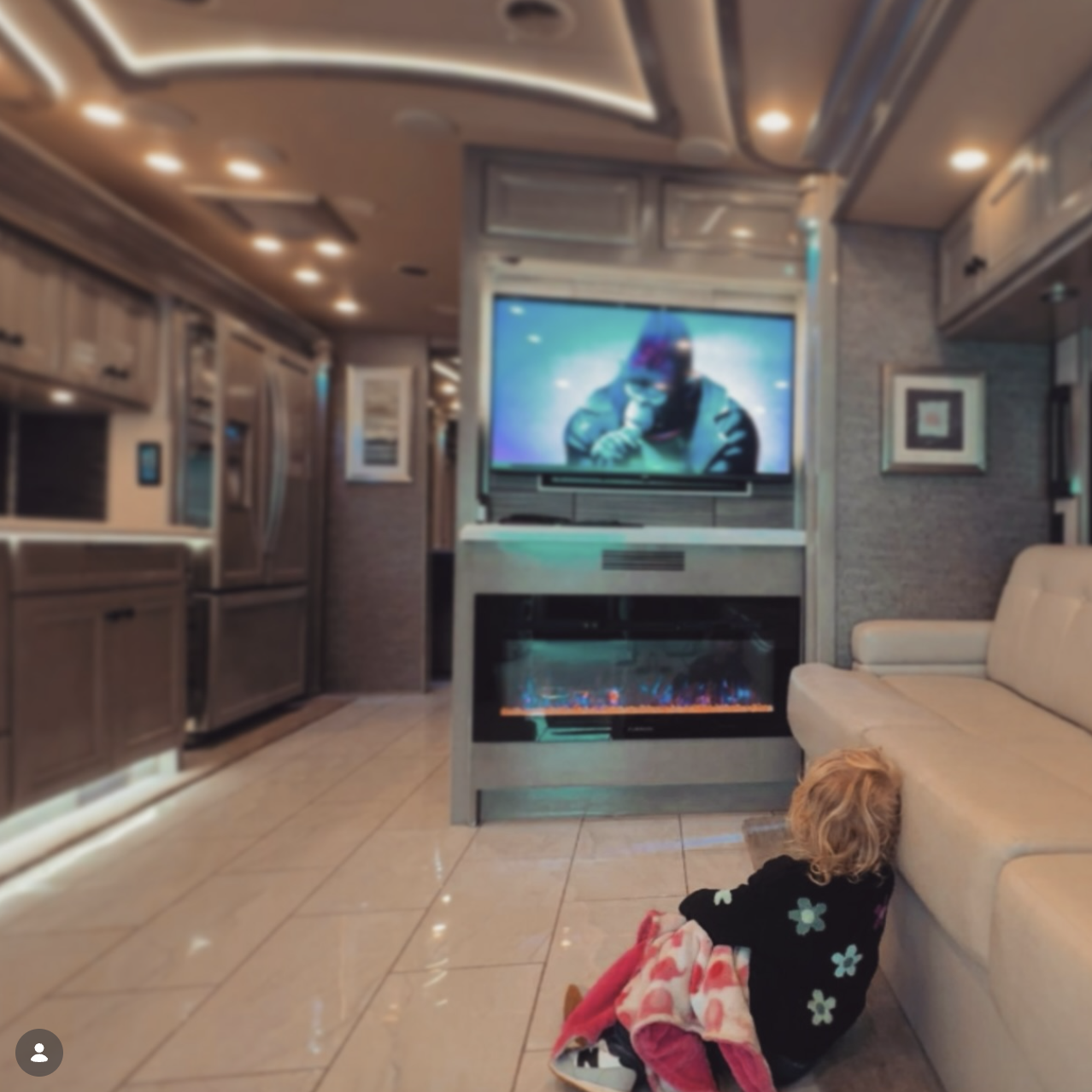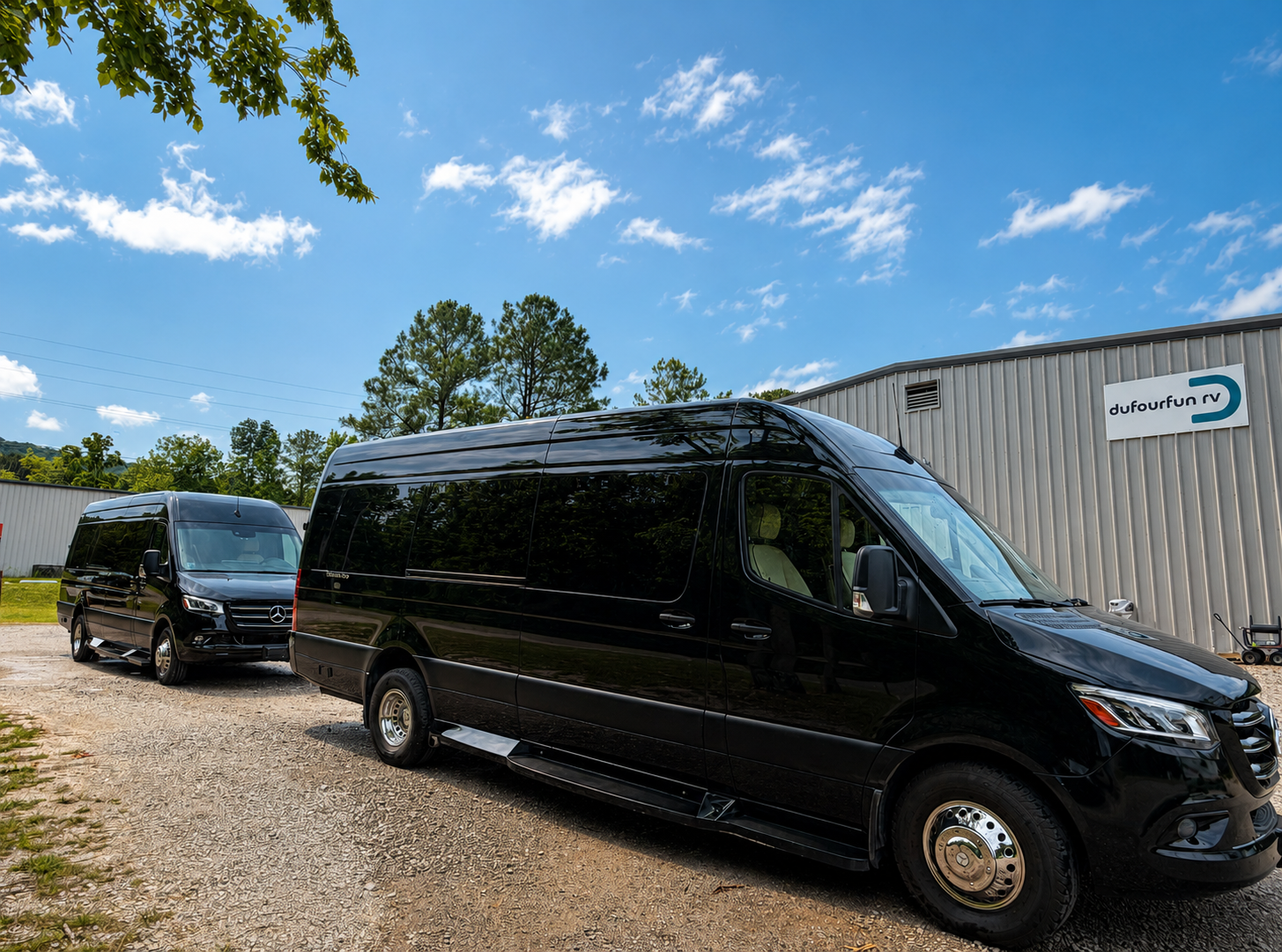

A three-generation trip asks more of a van than a row of captain’s chairs. Children may need restraints, adults carry different amounts of luggage, and older relatives may care more about a predictable step and a clear aisle than a large television.
The right buying process starts with the people. Bring the family to the van, load what they really carry and test the routine before discussing upholstery colors.
1. Draw a passenger map
List every regular traveler and the seat that person would use. Note child-restraint needs, preferred proximity to the door, motion sensitivity and whether someone must reach a restroom without stepping over bags.
Do not count a sofa, ottoman or bed as travel seating unless the vehicle documentation identifies it as a legal seating position. NHTSA’s seat-belt guidance stresses correct fit for adults and children and recommends that every occupant buckle up on every trip.
Your map might reveal that eight well-spaced seats are more useful than ten tightly arranged ones.
2. Test the entry with the actual travelers
A factory Sprinter’s dimensions are only a starting point. Mercedes-Benz lists different measurements by configuration; for example, the current Sprinter passenger-van specifications show a ground-to-first-step measurement of 20 or 24 inches on different configurations, with a 71-inch side-door opening height.
A conversion can change the finished floor, suspension height, running boards, door trim and grab-handle placement. Measure the completed van, not just the chassis brochure.
Ask each regular traveler to:
- Step in and out three times.
- Board while carrying a small bag.
- Reach the preferred seat without turning sideways around a cabinet.
- Buckle without help.
- Exit from the last row with the other seats occupied.
If boarding is tiring in a showroom, it will not improve after a long day.
NHTSA notes that adapting a vehicle may help meet an older driver’s needs and encourages choosing features that fit the individual in its older-driver resources. For specific mobility or medical needs, involve an appropriate professional rather than relying on a salesperson’s guess.
3. Treat belt fit as a buying feature
Luxury seating is not automatically comfortable or appropriate for every body. Check that the lap belt lies across the hips, the shoulder belt crosses the chest and the head restraint sits properly.
For children, use the correct car seat or booster for the child and confirm that the intended seating position supports it. Bring the actual restraint to the test. A wide chair can still have awkward belt geometry or insufficient clearance beside a wall cabinet.
Also confirm which seats may face rearward or swivel while the vehicle is moving. A swiveling lounge chair’s travel position may differ from its parked position; the owner’s documentation should control.
4. Load the family before judging storage
A multigenerational weekend can include:
- Suitcases and overnight bags
- A stroller or mobility equipment
- Coolers, medications and personal items
- Child seats when not installed
- Sports, beach or golf gear
- Pillows and blankets
Put representative items in the van with every normal passenger seat usable. Then open the side and rear doors. The emergency path and main aisle should remain clear, and hard luggage should be secured rather than stacked where it can move toward passengers.
A rear restroom can reduce stops and make the trip easier, but it takes space from luggage. A convertible restroom or removable storage arrangement may help, but test the changeover. If it requires unloading everything in a parking lot, it is not truly flexible for your family.
5. Compare layouts by routine
| Family routine | Favor | Watch for |
|---|---|---|
| Frequent day trips | Easy entry, supportive seats, rear climate | Decorative features replacing storage |
| Long highway weekends | Quiet ride, restroom, charging, luggage separation | Last-row ride quality |
| Airport and cruise transfers | Open cargo volume, wide aisle, quick loading | Maximum seats consuming bag space |
| Grandparents plus young children | Door-near seating, proper restraints, clear aisle | Narrow passages and high first step |
| Occasional overnight use | Documented sleeping setup, privacy, ventilation | Confusing “sleeps” and “seats” claims |
“Sleeps two” and “seats ten” describe different modes. Make the seller demonstrate both, and ask whether the sleeping setup blocks the restroom, doors or luggage access.
6. Road-test the least comfortable seat
The owner or buyer often sits in front, which hides rear-cabin problems. Put an adult in the last row, a child restraint in its likely position and the normal luggage load behind them.
Drive on broken pavement, at highway speed and through a tight turn. Check:
- Rear climate performance
- Cabinet and trim noise
- Conversation volume
- Glare from windows and screens
- The effort required to move through the aisle
- Whether loose items remain secure
- Driver visibility through mirrors and cameras
If the van has air suspension, compare its behavior loaded and unloaded. Treat ride quality as something to verify, not a label to trust.
7. Verify the documents behind the cabin
Ask for the VIN, title, chassis model year, conversion year, seating documentation, equipment manuals, service records and warranty terms. Use NHTSA’s VIN decoder to confirm the base vehicle information, then compare it with the conversion paperwork.
The chassis maker and upfitter may cover different components. Get written answers about who services the seats, electrical system, restroom, climate equipment and added suspension hardware.
The family test that matters
Invite the people who will travel. Give each person ten minutes in the van and ask three questions: Was it easy to board? Could you sit comfortably for three hours? Where would your bag go?
Their answers are more useful than a feature count.
View Vans for Sale to compare current family-ready layouts, or Build Your Custom Van around your passenger map, entry needs and real luggage.
Hero photo: grandfather and grandchildren preparing a car, via Pexels, used under the Pexels License. Attribution is not required. Proportionally resized and compressed for web use; no crop or retouching. The people pictured do not imply endorsement.