
Most van shopping is done around people: how many seats, how much legroom, which entertainment package. Add a dog — or two, plus crates, food bins, wet towels, and the occasional muddy paw — and the checklist changes. The good news is that a well-chosen luxury passenger van handles a pet-friendly road trip better than almost any other family vehicle, if you plan for four things: a secure pet zone, climate discipline, cleanable materials, and honest cargo space.
This guide walks through the decisions that matter before you buy, with the veterinary guidance your vet would want you to read.
1. Start with how your family actually travels
Before you compare floorplans, sketch a real trip. Who sits where? Does the dog ride in a crate, on a seat with a harness, or on a bed in the back? Where do the bags, the cooler, and the crate all fit at once? A van that looks great empty can fail the moment you load it for a real weekend. Vehicle interior temperatures matter here, too: the AVMA documents how quickly a parked vehicle heats up — roughly 20 degrees Fahrenheit in the first 10 minutes — which is why ventilation and climate control are buying criteria, not luxuries.
2. Plan a secure pet zone
The safest pet is a restrained pet. The Merck Veterinary Manual recommends keeping larger dogs harnessed in the back seat or cargo area and smaller pets in carriers, and notes that a dog with its head out the window risks eye and ear injuries from debris. When you walk a van, look for:
- A flat, secure area behind a row of seats where a crate can sit without sliding.
- Anchor points or D-rings where a crash-tested harness tether can attach.
- A way to separate the pet zone from the driver area, so an anxious dog can''t wander forward on the highway.
NHTSA''s guidance on occupant protection is written for people, not pets — buckling every human passenger is still the baseline — but the AVMA is blunt that there are no federal rules for pet restraint in vehicles, only recommendations. That makes your planning the safety system.
3. Build climate discipline into the purchase
Never leave a pet alone in a vehicle, even briefly, even with the windows cracked — the AVMA''s temperature table shows why. But on the road, a pet-friendly van should let you maintain comfort for hours: strong rear-zone air conditioning, vents that reach the cargo area, and window shades for sun-loaded highways. Ask specifically whether the rear cabin area receives independent airflow, because the rear cargo zone is exactly where a sleeping dog rides.
4. Choose washable materials
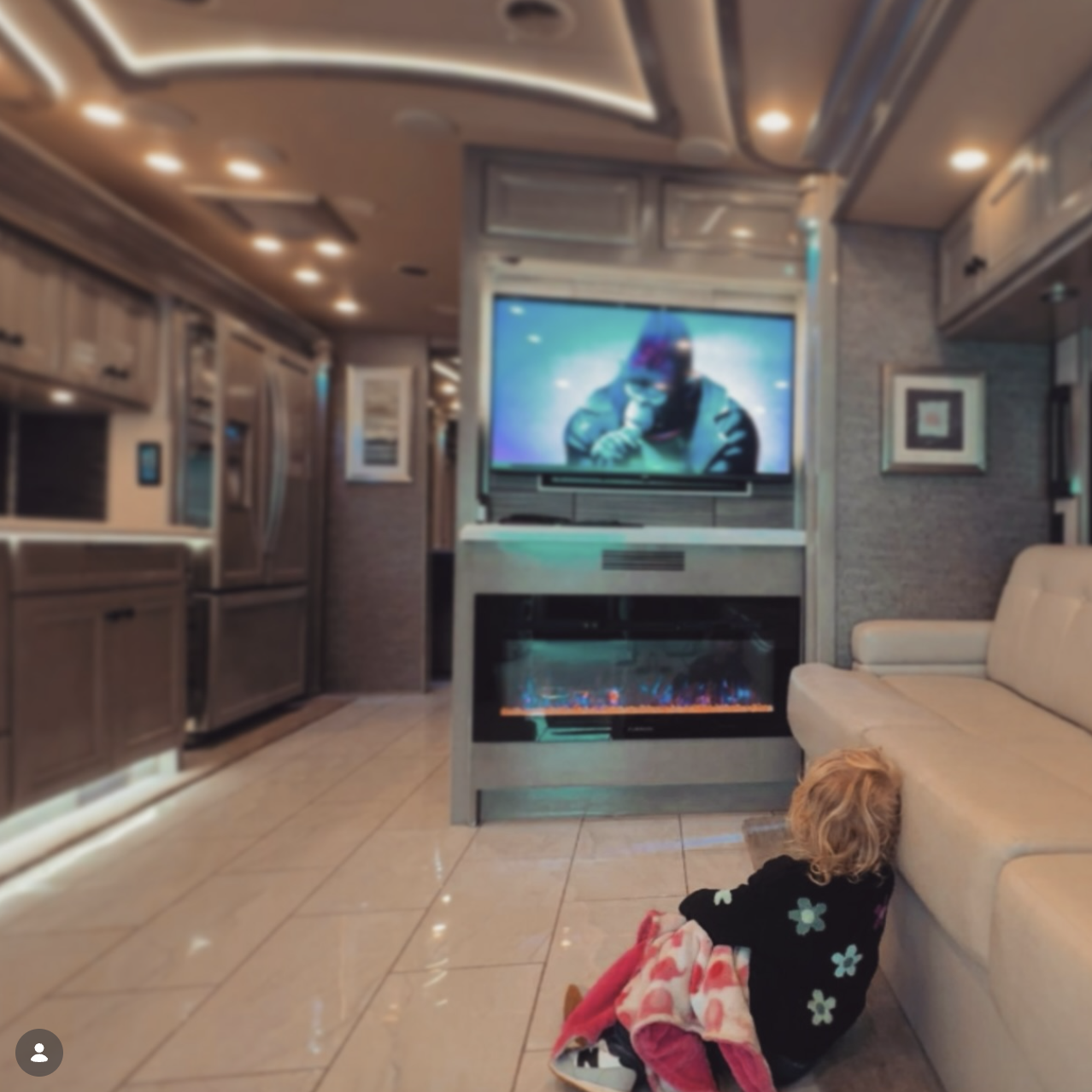
Muddy paws, shedding season, and the occasional carsick puppy make upholstery a pet decision. Look for hard-surface or vinyl-style flooring in the aisle and rear zone, seat materials you can wipe down, and floor plans where the rear cargo floor is one continuous, cleanable surface. Luxury does not have to mean delicate — a van you are afraid to get dirty is the wrong van for this job.
5. Aisle and cargo access
The best pet-friendly layouts keep a walkable aisle so someone can reach the pet zone at a rest stop without climbing over luggage, and a rear entry or wide side door so a crate can be loaded straight in. In a Sprinter-based passenger van, the high roof and standing cabin are the practical difference between a rest stop that takes two minutes and one that takes ten. Check the current Mercedes-Benz Sprinter specifications for interior dimensions on the chassis any van you''re considering is built on.
6. Rest-stop rhythm
The Merck Veterinary Manual suggests stopping about every two hours so dogs can relieve themselves, drink, and stretch, with leashes on before doors open. A van makes this rhythm easier: everyone — people and pets — exits from the same vehicle, so nobody is left waiting in a parking lot with a stranger.
7. Luggage and hotel routines
Think about the parts of the trip that happen outside the van. Wet dogs after a beach morning, a food-and-water station that lives in the van, hotel check-in where the crate is the pet''s familiar bedroom. Cargo space that survives all five days of a trip — not just the drive out — is a buying criterion. Measure your actual crate and compare it against the cargo area of any van you are considering.
8. The pre-purchase load test
If you can, load the real crew before you buy. Bring the crate, the kids, the bags, and the dog (many dealers will accommodate; we will). Sit where you would actually sit, run the rear climate for ten minutes, fold a stroller into the cargo zone, and see whether the aisle still works. Twenty minutes of honest loading tells you more than any brochure.
A practical checklist
| Item | What good looks like |
|---|---|
| Pet zone | Flat rear area, anchor points, barrier from driver zone |
| Climate | Rear-zone A/C reaching the cargo floor, window shades |
| Materials | Hard or vinyl flooring, wipeable seats, continuous cargo floor |
| Access | Walkable aisle plus wide side or rear door for a crate |
| Cargo | Room for crate + bags + cooler simultaneously |
| Rhythm | Easy exits for two-hour rest stops, leash-ready doors |
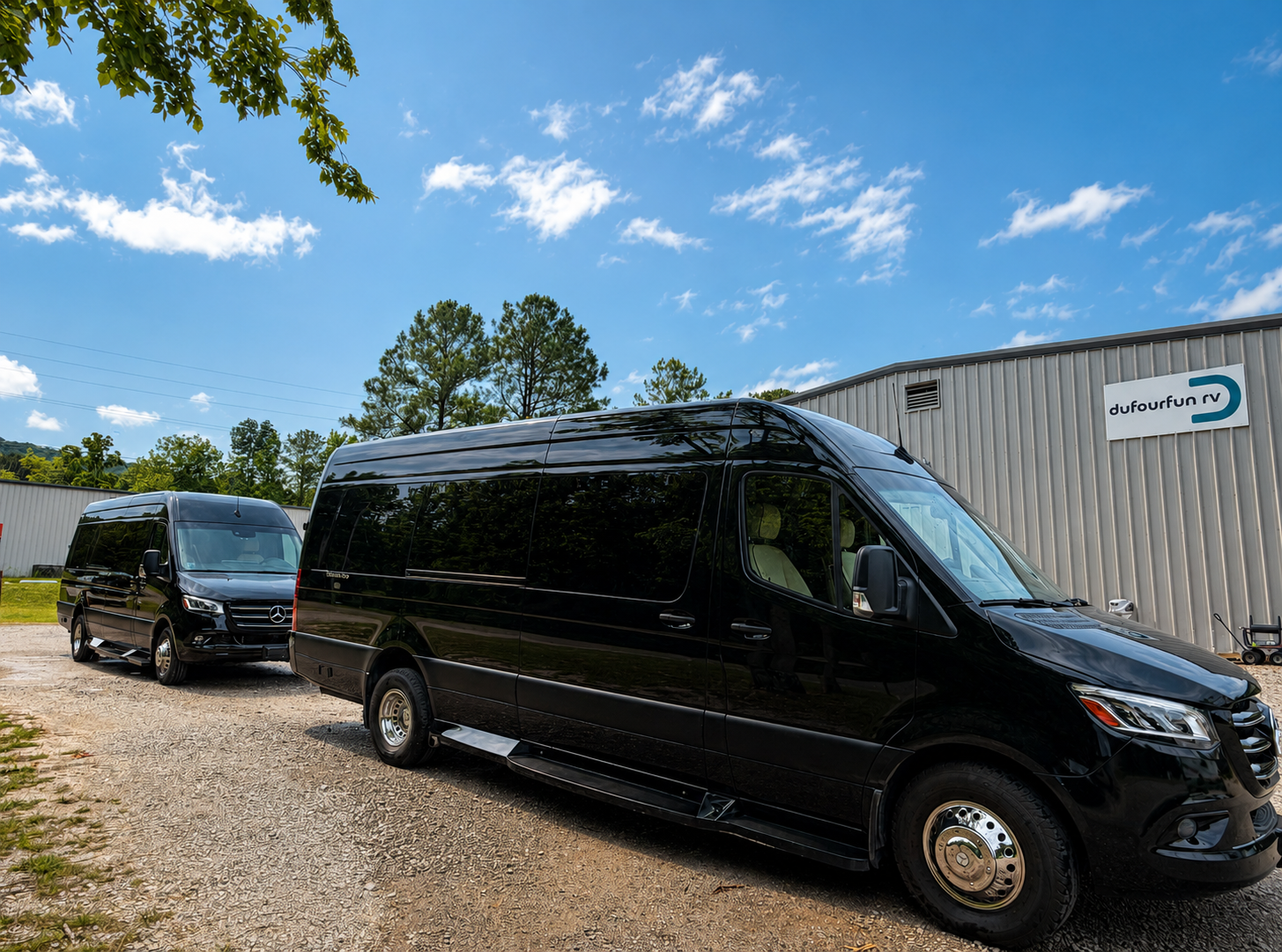
Our own 2024 Ultimate Coach is a Mercedes-Benz Sprinter conversion with standing cabin height, a rear-zone galley, and captain''s seating — the layout that many pet-friendly families end up choosing. Compare it against the rest of our current inventory, or spec exactly what you want with our custom van builder.
Photo credit: dog on a car ride, photo by Aarav Chopra via Pexels, free to use under the Pexels license.