
Luxury Van Investing vs RV Park Investing
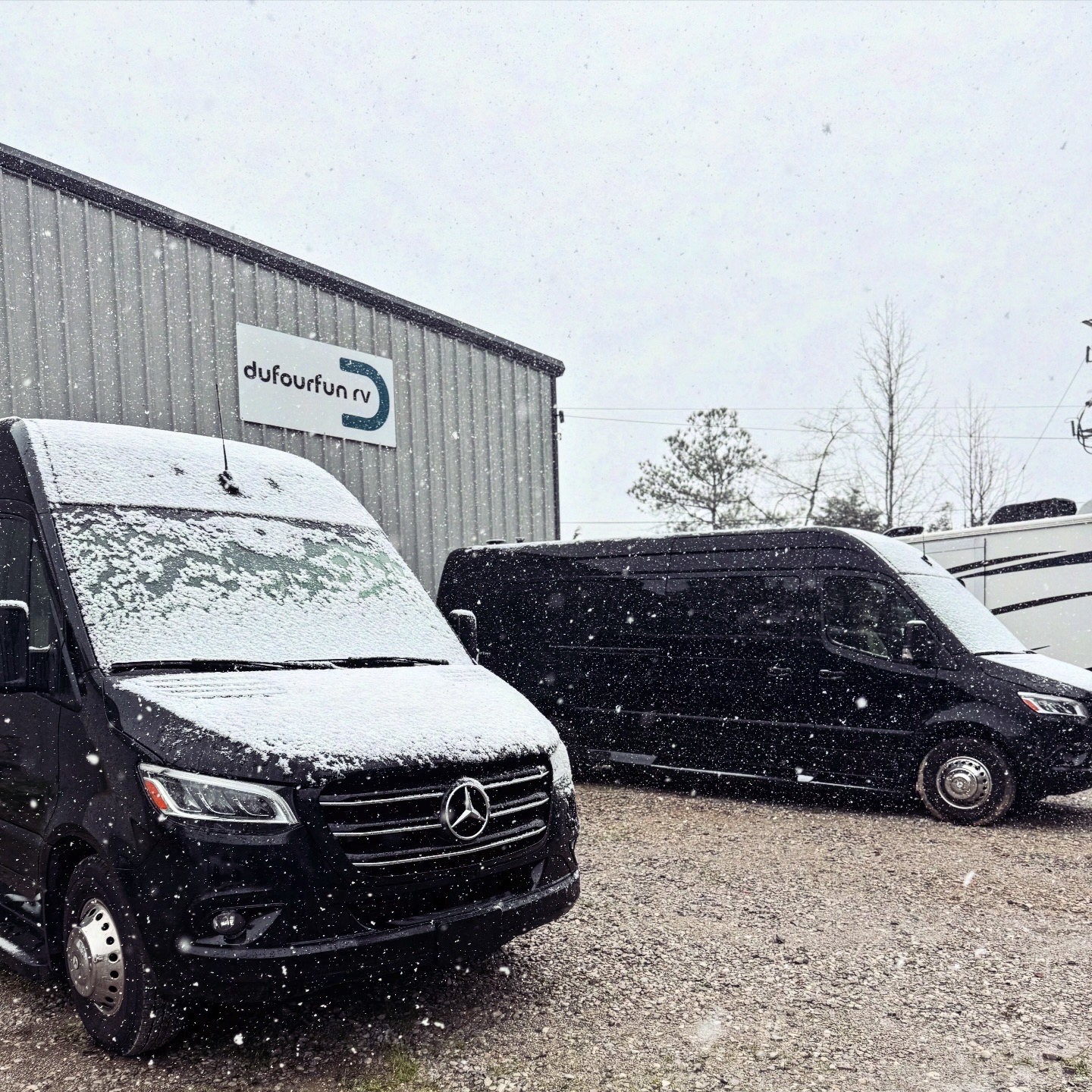
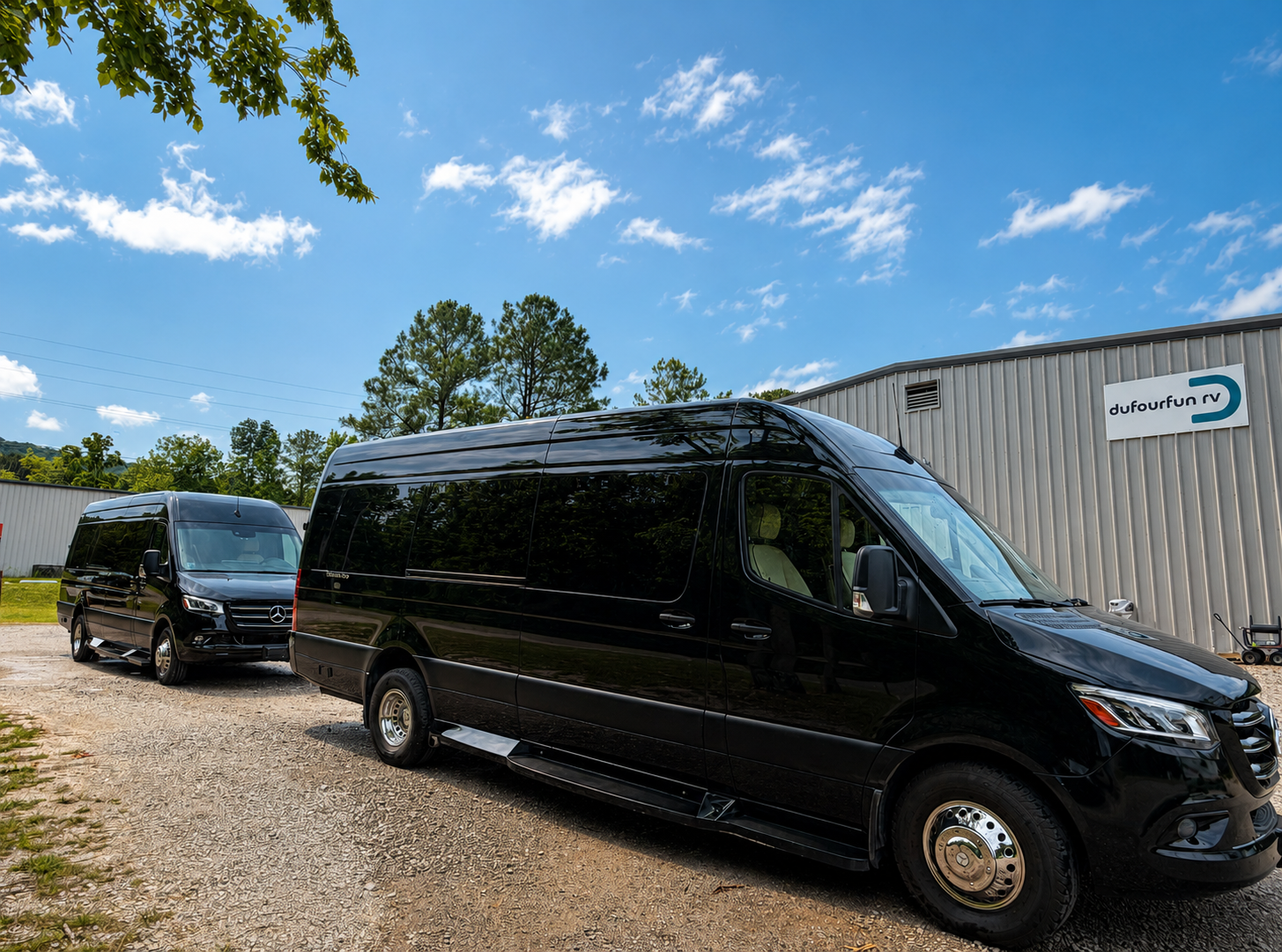
RV parks and luxury vans both monetize travel, but they sit on opposite sides of the mobility spectrum. For accredited investors weighing a 2024 Ultimate Coach Mercedes Sprinter in Dufourfun’s managed program against RV park equity, here’s a side-by-side analysis across operations, returns, and risk.
Explore vans on the fleet, see rate bands on pricing, and check availability trends via reserve. For program terms and real booking cadence, start at investor information.
Capital Intensity and Scalability
- RV parks: high upfront equity, financing complexity, on-site staffing
- Luxury vans: lower unit cost, modular scaling one vehicle at a time
Sprinters let you stage capital progressively, adding units as demand proves out, rather than committing to a full property turnaround on day one.
Operations: Stationary vs. Mobile
RV parks demand property management, maintenance crews, utilities, and guest relations. Dufourfun centralizes van operations—dispatch, drivers, cleaning, maintenance coordination—so investors focus on capital strategy, not site management.
Revenue Cadence
- RV parks: nightly ADR times occupancy; seasonality tied to tourism flows
- Luxury vans: premium service days around weddings, corporate events, and VIP runs
Demand Drivers
- RV parks: leisure travelers and long-term seasonal residents
- Luxury vans: planners, corporate coordinators, executives, and wedding parties with deadlines and budgets
This difference matters: event-based buyers may accept premium pricing for certainty and presentation, sustaining strong average revenue per service day.
Risk Profiles
- RV parks: regulatory, zoning, capex variability (infrastructure repairs)
- Luxury vans: commercial insurance, driver management, and maintenance
Dufourfun’s standardized processes, insurance coordination, and driver vetting help reduce operational risk for van investors.
Exit Strategies
- RV parks: refinance, sell to consolidators, or hold for yield
- Luxury vans: sell the vehicle into a deep secondary market or transfer as an income-producing asset
Documented service records and forward bookings can support a premium at sale, subject to contract assignment rules.
Illustrative Returns Context (Not Promises)
Published snapshots—e.g., ~$26K in ~3 months, annualized near ~$120K for a highlighted unit—demonstrate potential cadence in Dufourfun’s niche. Your outcomes will vary by market, seasonality, and execution.
Decision Checklist
- Determine your preferred operations footprint.
- Evaluate capital staging and scalability needs.
- Compare risk controls: property capex vs. vehicle maintenance and insurance.
- Underwrite using pricing and data on investor information.
FAQ
Which asset is more passive?
Both can be passive with the right partner. Dufourfun’s managed model removes daily van operations; RV parks often require on-site teams and seasonal staffing.
How do vacancies compare?
RV parks depend on tourism; vans depend on events and corporate calendars. Diversifying use cases (weddings, corporate, VIP) helps smooth van utilization.
Can I hold both for diversification?
Yes. Many investors pair real estate with mobile assets to reduce correlation risk.
Conclusion
Luxury vans provide modular scaling, premium-rate demand, and a clear secondary market—without owning a property. If you want a mobile, managed yield play to complement real estate, a Dufourfun Sprinter may fit.
Review program terms and detailed underwriting support here: Request investor info.