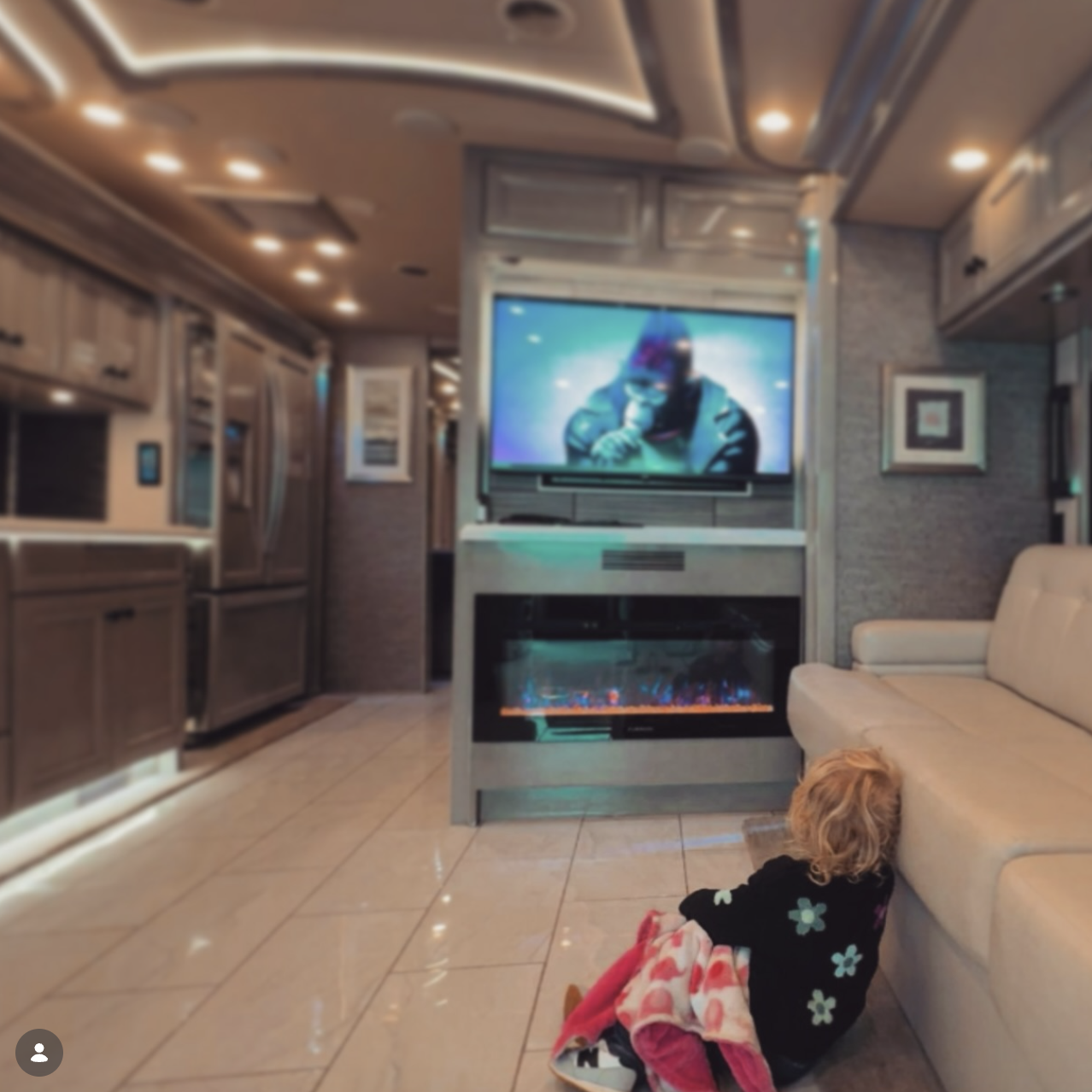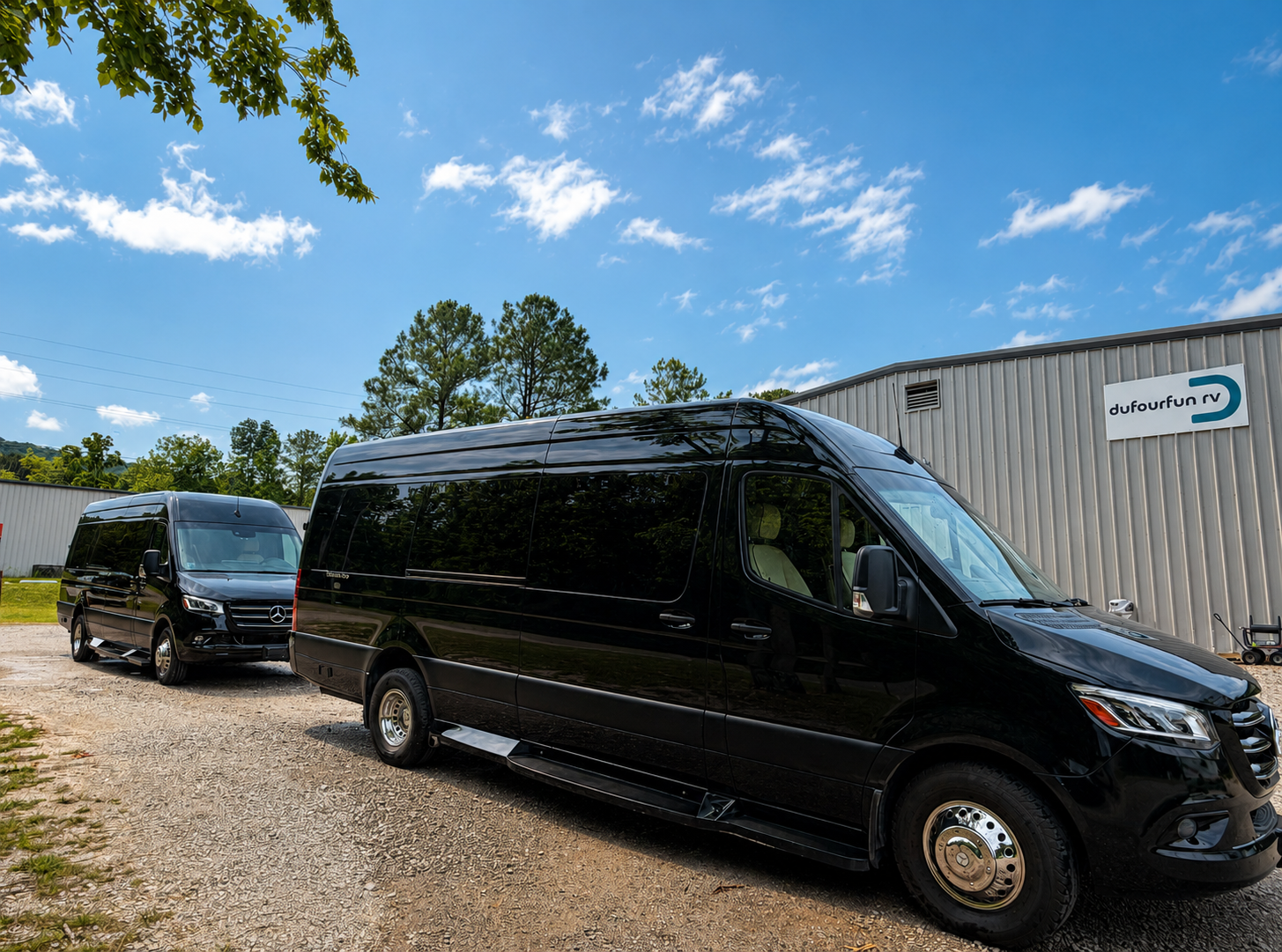
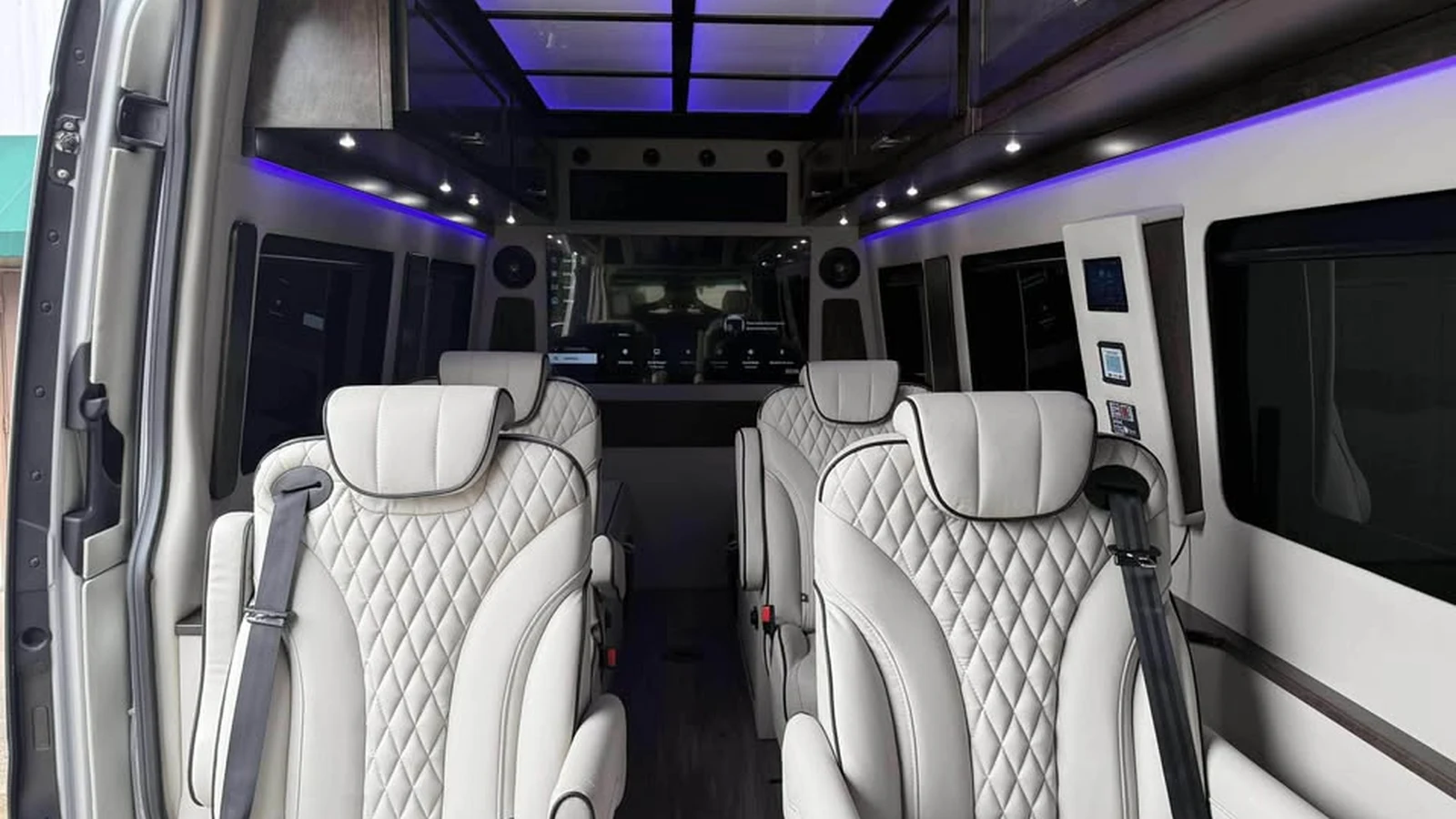
Most people judge a luxury van from the driver's seat or from a parked walkaround. Your passengers will judge it from the back. Before you buy, ride in the front passenger seat, the middle captain's chairs and the last row during a real road test, then repeat a boarding and loading check. It takes about 25 minutes and tells you more than any photo gallery.
What follows is our editorial recommendation, not a safety or comfort standard. Where we state facts, we link the source.
Why a parked walkaround is not enough
A parked van is quiet, level and still. On the road, the same seat can feel very different: rough pavement, highway wind, HVAC noise, sun through a side window, or a seat belt that sits awkwardly once the chair is reclined. You only find those things by sitting there while someone else drives.
It also matters for ownership. If you plan to use the van for the same routines again and again, such as school events, airport runs, family trips or client outings, small irritations in one seat get repeated every time.
The 25-minute every-row test
Bring the people who will usually ride with you if you can, plus a bag or two like the ones you normally carry.
- Boarding and adjustment (5 minutes). Step in using the entry step and grab handles. Walk to the last row. Adjust each seat you plan to use, and buckle in. Check that the belt crosses the shoulder and lap properly and that the buckle is easy to reach.
- Urban and rough pavement (10 minutes). Ride in the middle captain's chairs first, then move to the last row at a safe stop. Notice motion, rattles, how well you can talk to the driver, and whether you can reach controls and charging ports.
- Highway (10 minutes). Sit in the row you find least comfortable. Listen for road and HVAC noise, feel the airflow, and check sun glare and how the shades work.
Then park and repeat the boarding check with luggage loaded, to see whether bags block the aisle or the last row.
What to check in each row
| Check | Front passenger | Middle chairs | Last row |
|---|---|---|---|
| Seat-belt fit and buckle access | ✓ | ✓ | ✓ |
| Entry step and grab handles | ✓ | ✓ | ✓ |
| Aisle width and legroom | – | ✓ | ✓ |
| Climate airflow | ✓ | ✓ | ✓ |
| Road and HVAC noise | ✓ | ✓ | ✓ |
| Glare and shades | ✓ | ✓ | ✓ |
| Charging and control reach | ✓ | ✓ | ✓ |
| Cup holders and storage | ✓ | ✓ | ✓ |
| Conversation with the driver | – | ✓ | ✓ |
| Luggage interference | – | ✓ | ✓ |
Seat belts and child seats come first
NHTSA's seat belt guidance is clear that every occupant should buckle up, including passengers in the rear seats. In a lounge-style cabin it is easy to forget that. During your test, make sure every seating position you plan to use has a belt that fits your regular passengers.
If you travel with children, check car-seat and booster fit in the actual seats. NHTSA's car seat and booster seat page explains choosing the right restraint and installing it correctly. Not every seat in a converted van is suited to every child seat, so confirm with the van's documentation.
Use one layout as an example, not a rule
Converters build very different cabins. Ultimate Toys describes its Ultimate Coach model family with adjustable captain's chairs, fold-out sofas, cabin controls and storage. Midwest Automotive Designs publishes a Luxe Cruiser D6 floorplan as another example. These pages show what is possible. They do not describe every van, and they do not tell you what a specific used van has. Verify the exact vehicle.
Tradeoffs worth naming
- More reclining seats can mean less legroom or luggage space behind them.
- A sofa can be great for lounging but may not suit car seats.
- Extra screens and controls are useful only if passengers can reach them from where they sit.
- A quieter cabin in one van is not a promise for another.
Bring the results to your shortlist
Write down which row felt weakest in each van you test. Then compare current listings, or use the van builder to start from the seating your passengers actually need.
Next step
View Vans for Sale to compare current listings and confirm each van's status, price and documentation. If none of them fits how your group actually travels, Build Your Custom Van and start from seating, storage and routine instead.