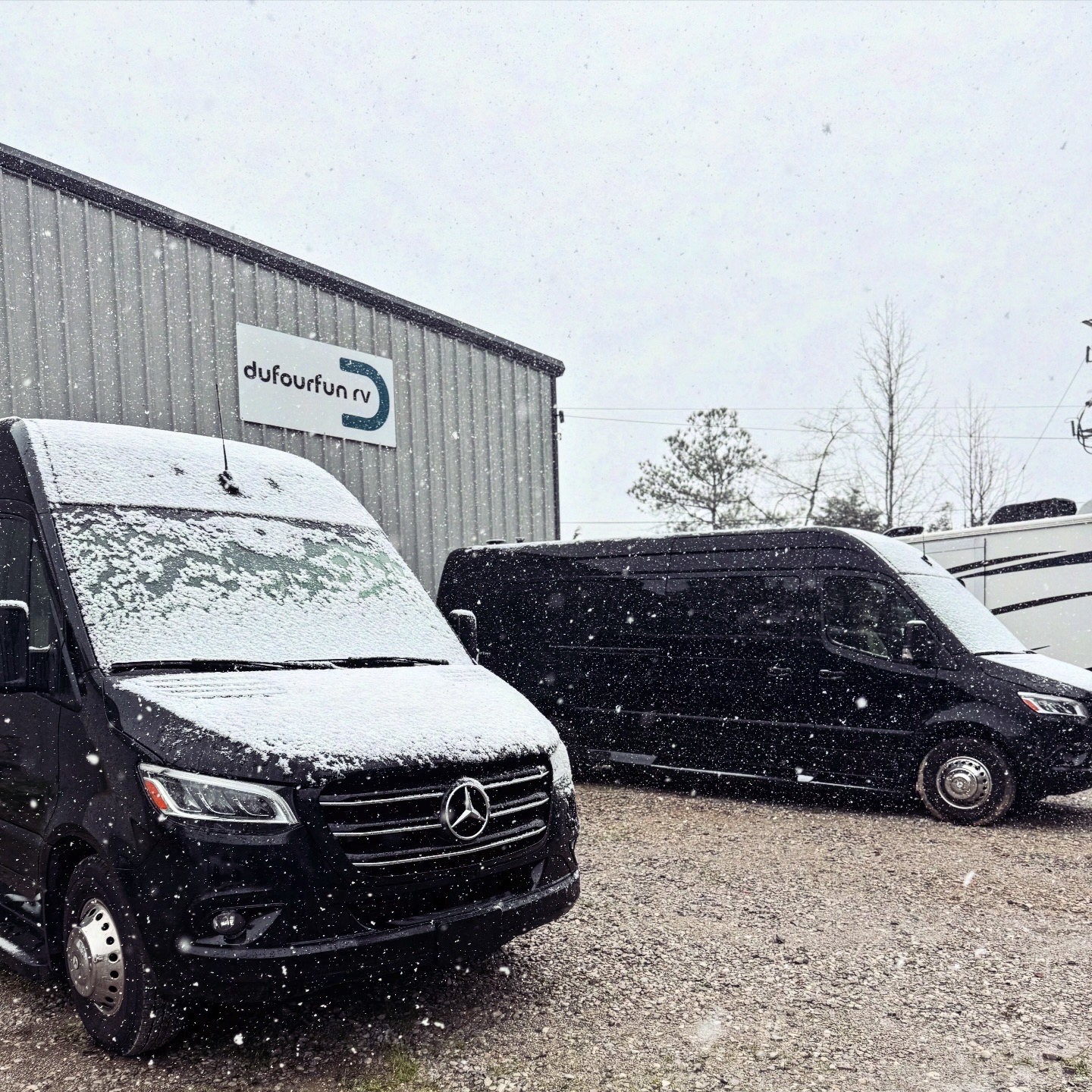

Tax Advantages: Section 179 for Luxury Vans
For accredited investors, after-tax yield often matters as much as pre-tax cash flow. When a 2024 Ultimate Coach Mercedes Sprinter is placed into commercial service, Section 179 expensing and bonus depreciation may significantly impact your first-year deductions, subject to IRS rules and business use tests. Always consult your CPA; nothing herein is tax advice.
Visit our investor information page for program structures and real booking cadence snapshots that can inform your CPA discussions. Review vehicle options on the fleet and reference public rate ranges on pricing.
Section 179: The Basics
Section 179 allows businesses to elect to expense qualifying equipment placed in service during the tax year, up to statutory limits, when used predominantly (more than 50%) for business. Certain heavy vehicles often qualify; specifics depend on weight ratings, configuration, and use.
Why It Matters for Luxury Sprinters
- Potentially accelerate deductions into year one
- Improve after-tax cash-on-cash returns
- Offset income from other businesses subject to aggregation rules
Bonus Depreciation: Layering Additional Deductions
Bonus depreciation may allow a percentage of the remaining depreciable basis to be deducted in the first year. The allowable percentage can phase down under current law; your CPA will confirm the exact figure applicable in the relevant tax year.
Coordination With Section 179
- Elect Section 179 up to the allowable limit
- Apply bonus depreciation to remaining basis
- Consider business-use percentage and related-party rules
Business Use, Substantiation, and Leased Scenarios
To qualify for accelerated expensing, the vehicle typically must be used primarily for business. Dufourfun’s managed rental program helps establish commercial use through bookings, dispatch logs, and maintenance records. Keep contemporaneous records such as:
- Contracts and invoices for bookings (see demand examples at investor information)
- Driver logs and mileage records
- Maintenance and detailing receipts
If you choose a fixed commercial lease structure, deduction mechanics may differ from the 50/50 profit share path. Your CPA can model each based on your entity type and whether the van is owned by you personally or by an LLC.
Entity Structure Considerations
- Single-member LLC vs. multi-member LLC taxation
- S-corp or partnership allocations
- Passive vs. non-passive treatment under §469 and participation tests
Work with your advisor to align ownership with your broader portfolio and risk management approach.
Planning Timeline: Don’t Wait Until Year-End
- Engage your CPA early and review Section 179 limits.
- Confirm vehicle specs and delivery timing from the fleet.
- Place the vehicle in service and document first commercial use.
- Monitor utilization via monthly reports; compare to reserve patterns.
- Prepare audit-ready substantiation (logs, invoices, insurance, photos).
Sensitivity to Future Law Changes
Tax rules evolve. Model scenarios where Section 179 limits or bonus depreciation percentages change. The resilience of your investment should not depend solely on accelerated deductions; focus on intrinsic unit economics through conservative rate and utilization assumptions (see pricing).
Case Context (Illustrative)
Examples published on investor information show a unit pacing ~$26K in ~3 months (annualized near ~$120K). While not guarantees, such cadence illustrates commercial use substantiation and informs tax planning discussions.
FAQ
Can Section 179 fully expense a luxury Sprinter in year one?
It may, up to statutory limits and subject to business-use tests and vehicle qualification. Your CPA will confirm eligibility for your exact configuration and use.
Do I need a separate LLC?
Not strictly, but many investors prefer an LLC for liability, banking, and entity-level accounting. Discuss legal and tax implications with your counsel and CPA.
What records should I keep?
Contracts, invoices, driver logs, maintenance receipts, and insurance certificates. Dufourfun provides reporting to support documentation.
Final Considerations
Tax acceleration can improve after-tax yield, but fundamentals drive long-term outcomes. Pair Section 179 planning with conservative underwriting and a clear operations partner.
For program terms, cadence, and to coordinate with your CPA, start here: Request investor info.