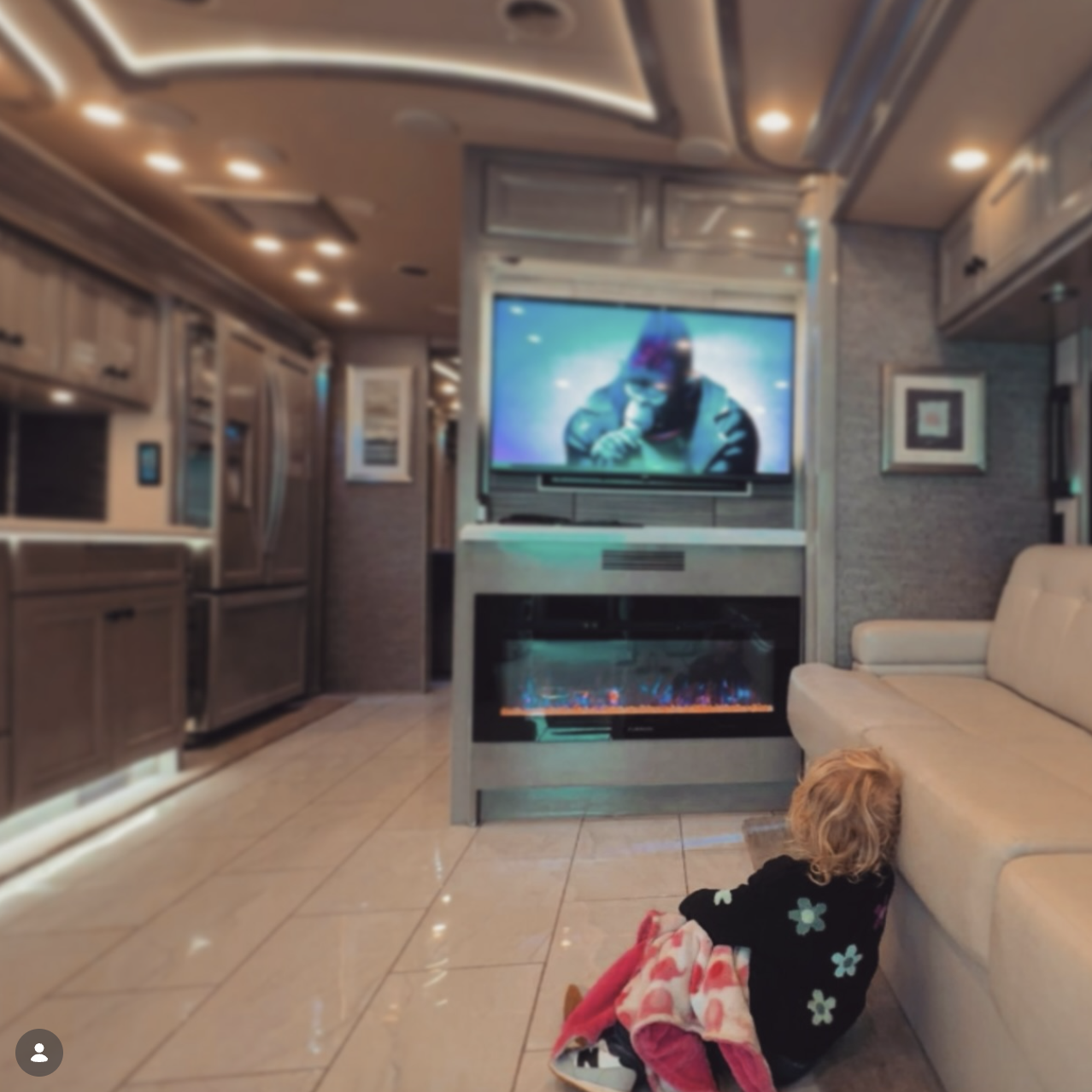

A beautiful cabin makes a strong first impression. The more meaningful question comes three hours later: does everyone still have room to settle in, charge a phone, enjoy a conversation, or simply watch the landscape pass?
For regular regional drives, client trips, and family weekends, lasting comfort comes from a collection of small decisions working together. Supportive seating matters. So do personal space, rear climate comfort, easy charging, cupholders, accessible storage, and a cabin that allows both connection and quiet.
Supportive seating sets the tone
A seat should feel inviting when the door opens and remain comfortable as the miles pass. Individual captain's chairs can give passengers a sense of personal space, while thoughtful spacing helps the cabin feel open rather than crowded. Some luxury conversions offer adjustable seating and rear lounge arrangements; the exact configuration varies by build.
The benefit is experiential. A client can prepare for a meeting without feeling tucked into a corner. A grandparent can settle in comfortably. Children and adults can share the same cabin without everyone competing for elbow room.
Conversation should feel natural
A relaxed van supports the mood of the trip. People can face forward and enjoy the view, turn their attention to a shared conversation, or create a quieter pocket for reading and rest. A calm cabin does not demand constant entertainment. It simply gives each passenger choices.
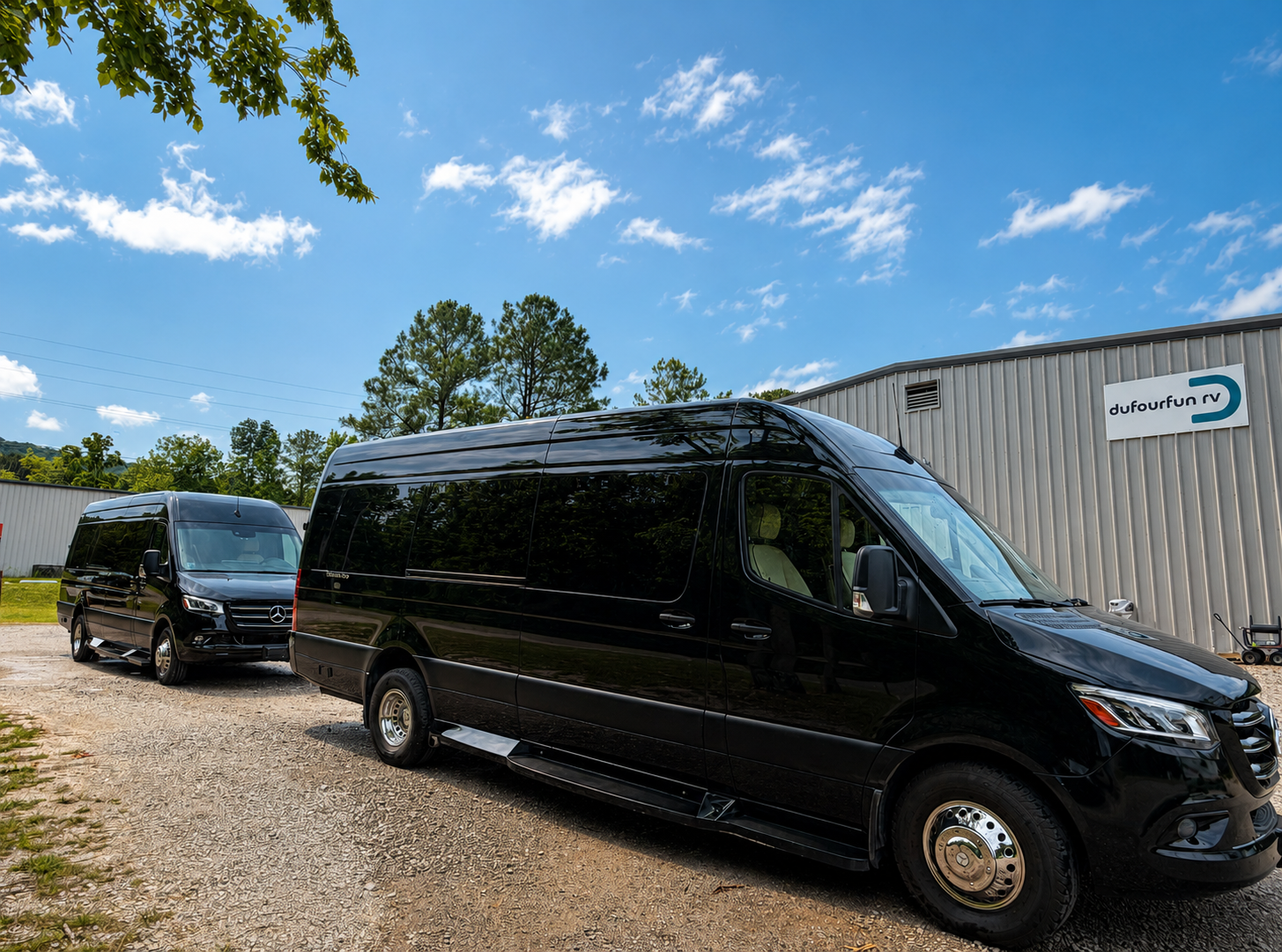
The Mercedes-Benz Sprinter Passenger Van provides the foundation for many premium passenger builds, while its technology overview describes current platform systems designed to support the driver. Conversion equipment is selected separately, so every finished van has its own personality.
Rear climate comfort changes the middle of the trip
A beautiful seat loses its appeal if the rear cabin never feels settled. Independent or enhanced rear heating and air-conditioning can make a meaningful difference when passengers and the driver prefer different temperatures. The goal is not to think about climate equipment; it is to stop thinking about temperature at all.
The Ultimate Coach, for example, is presented by its manufacturer as a Mercedes-Benz Sprinter-based vehicle with adjustable captain's chairs and independent rear climate features, among other amenities. Those are manufacturer descriptions for that product line, not promises about every luxury van.
Charging, cupholders and storage earn their place
After a few hours, practical details become part of luxury. Charging within easy reach keeps a workday or family weekend moving. Well-placed cupholders reduce the need to balance drinks. Accessible storage gives bags, jackets, and everyday essentials a home without taking over the aisle.
These conveniences are easy to overlook in photographs because they are not dramatic. On the road, they create the composed feeling buyers are seeking: everything has a place, and no one has to interrupt the trip to solve a small problem.
Entertainment is an option, not the atmosphere
Screens, audio, and connectivity can make a long drive enjoyable, especially for families or teams. They are most valuable when passengers can choose them rather than having the entire cabin revolve around them. One person may watch a movie while another reads, talks, or works.
A good luxury cabin is flexible enough for all of those versions of the trip. Entertainment adds possibility; comfortable seating, climate, power, and space create the foundation.
Choose comfort around the way you travel
Start with your most common three-hour journey. If it is a family weekend, prioritize personal space, charging, drinks, and easy access to bags. If it is client travel, consider a calm visual finish, comfortable conversation, work surfaces, and discreet storage. If it is a mix, flexibility may matter more than any single feature.
The easiest buying conversation is about the experience you want: who rides most often, what they like to do on the way, and how you want everyone to feel at arrival. A finished van lets you experience a real cabin now. A custom build lets those priorities shape the layout and amenities from the beginning.
The best luxury is a calm arrival
Three hours in, the van should feel less like transportation and more like a shared space that happens to be moving. People have been able to talk, rest, recharge, and keep their essentials nearby. When the door opens, the group arrives together and ready for what comes next.
That calm arrival is what makes the right luxury van useful again and again—not only for a major road trip, but for the regional drives that become part of everyday life.
Photo: Pexels; cropped and resized under the Pexels License.