Ask what makes long weekends easy and most people point to the comfortable seats or the entertainment system. Fair. But for couples, families, and business partners who repeat the same regional trips, the quiet advantage is simpler: two people who both know the van, sharing the wheel.
One van, two confident drivers
When only one person ever drives, every trip has a hidden single point of failure. The driver is tired, the driver is on a call, the driver had a long week — and the whole group's schedule bends around one person's energy.
When both regular drivers know the same van, the trip gets a pressure valve:
- Swap before fatigue becomes the plan. NHTSA's road-trip guidance recommends building longer trips with enough time to stop, eat, return calls, and change drivers or rest if drowsy. That is much easier when the person in the passenger seat is already comfortable behind this wheel.
- The miles stop feeling like a shift. A long drive feels different when the responsibility is shared.
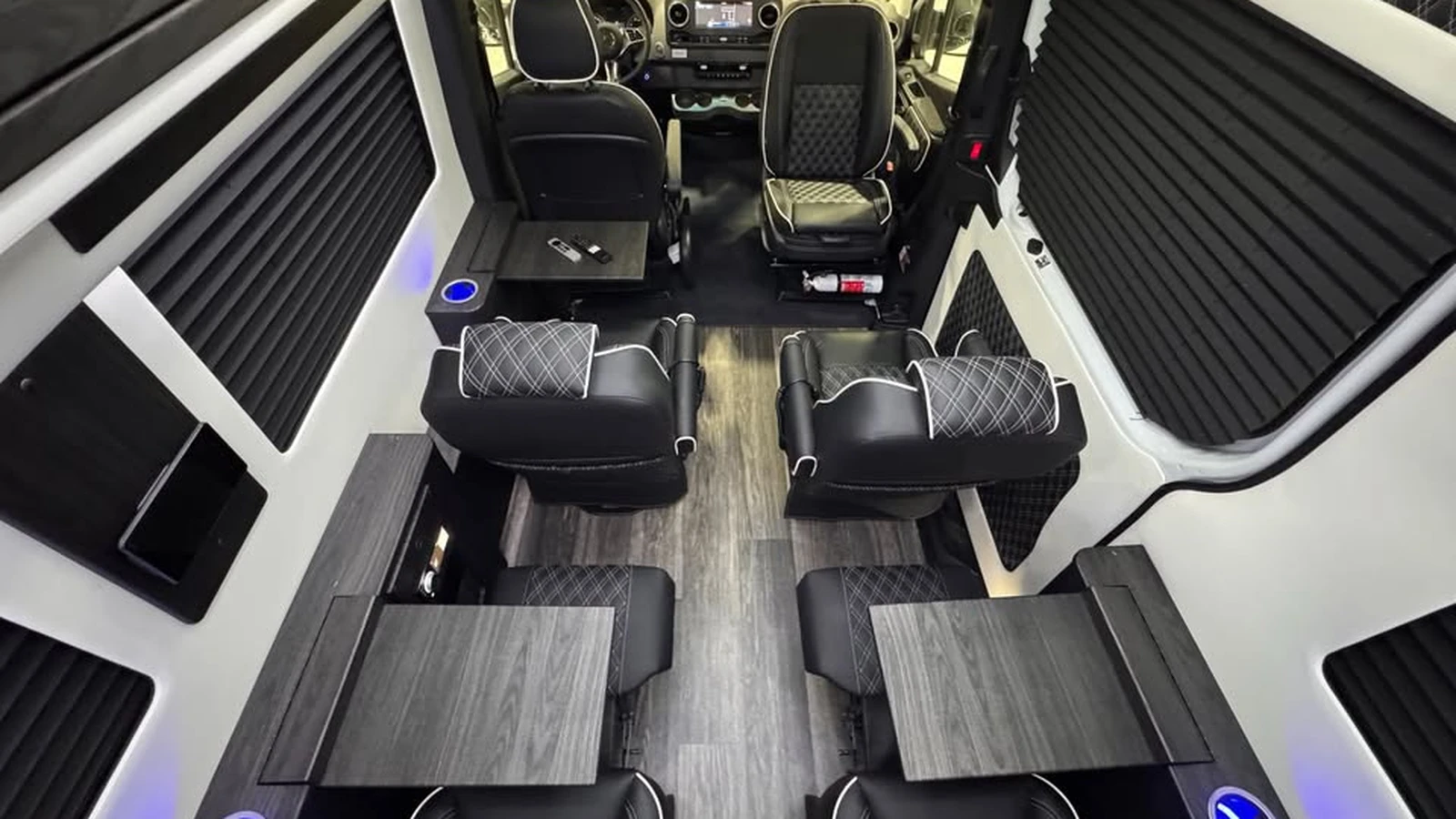
- Passengers keep one familiar cabin. Nobody is relearning a rental's layout at a gas station. The cabin they settled into on Friday morning is the cabin they ride home in on Sunday.
Why familiarity is the real feature
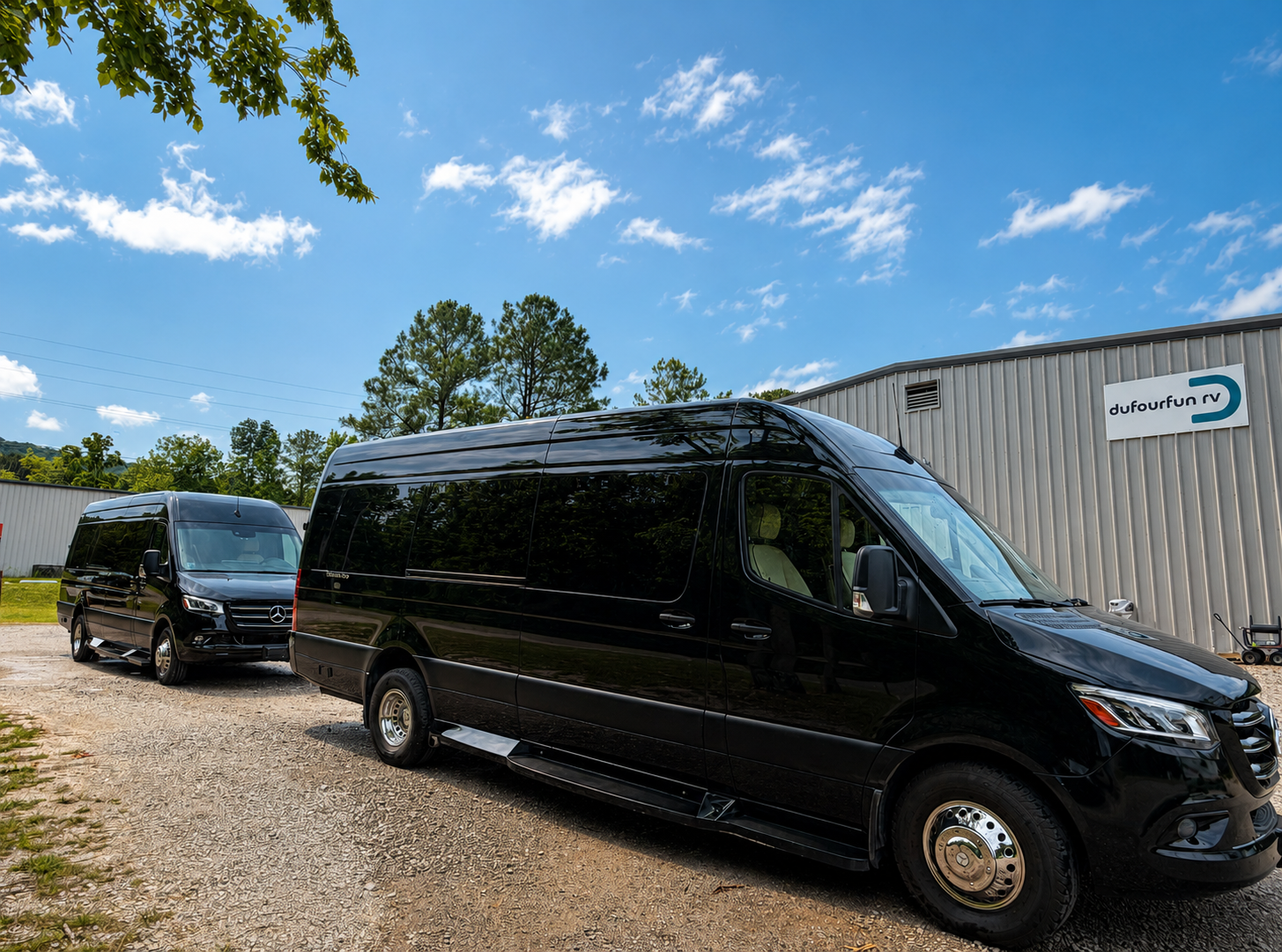
Sharing the miles only works when the second driver actually knows the vehicle. A large luxury van drives differently than a daily car — longer, taller, wider mirrors, different sightlines. The learning curve is real, and the time to climb it is a quiet Saturday, not a packed departure morning.
This is where ownership quietly beats the alternatives. When it is your van, both drivers get their reps in naturally — the airport run, the dinner across town, the weekend trip. By the time the long drive comes, switching seats is a non-event.
Some Sprinter configurations even offer driver-seat memory, which makes the swap nearly effortless — but that is equipment-dependent, so confirm it in the Mercedes-Benz Vans manual for the specific model year and the conversion's component list rather than assuming any given van has it.
The honest tradeoffs
Shared driving is a convenience, not a loophole. A few things stay true:
- The second driver must be properly licensed and insured for the actual use. Sort that out before the first trip, not at the rest stop.
- Familiarity has to be earned in the finished van. Knowing the chassis is not the same as knowing the completed conversion's controls, camera views, and dimensions.
- Rested and sober is non-negotiable. NHTSA's drowsy-driving guidance is blunt about what fatigue does to reaction time. The swap works because a fresh driver takes over — not because a tired one pushes through.
- Driver-assistance features assist; they do not drive. However the van is equipped, an attentive person is still the system that matters.
The ownership routine this creates
A practical two-driver routine can be pleasantly boring: whoever is fresher takes the first leg, the swap happens at a stop everyone enjoys anyway, and arrival day no longer belongs to whoever drew the short straw. The van becomes genuinely shared — one set of keys, two people who can use them.
For couples splitting the drive to the lake house, parents trading off on the tournament run, or partners alternating legs to a client visit, that is the convenience-first case: not a fancier vehicle, but an easier weekend.
If that is the routine you want, View Vans for Sale to see current inventory, or Build Your Custom Van around the way your household actually travels.