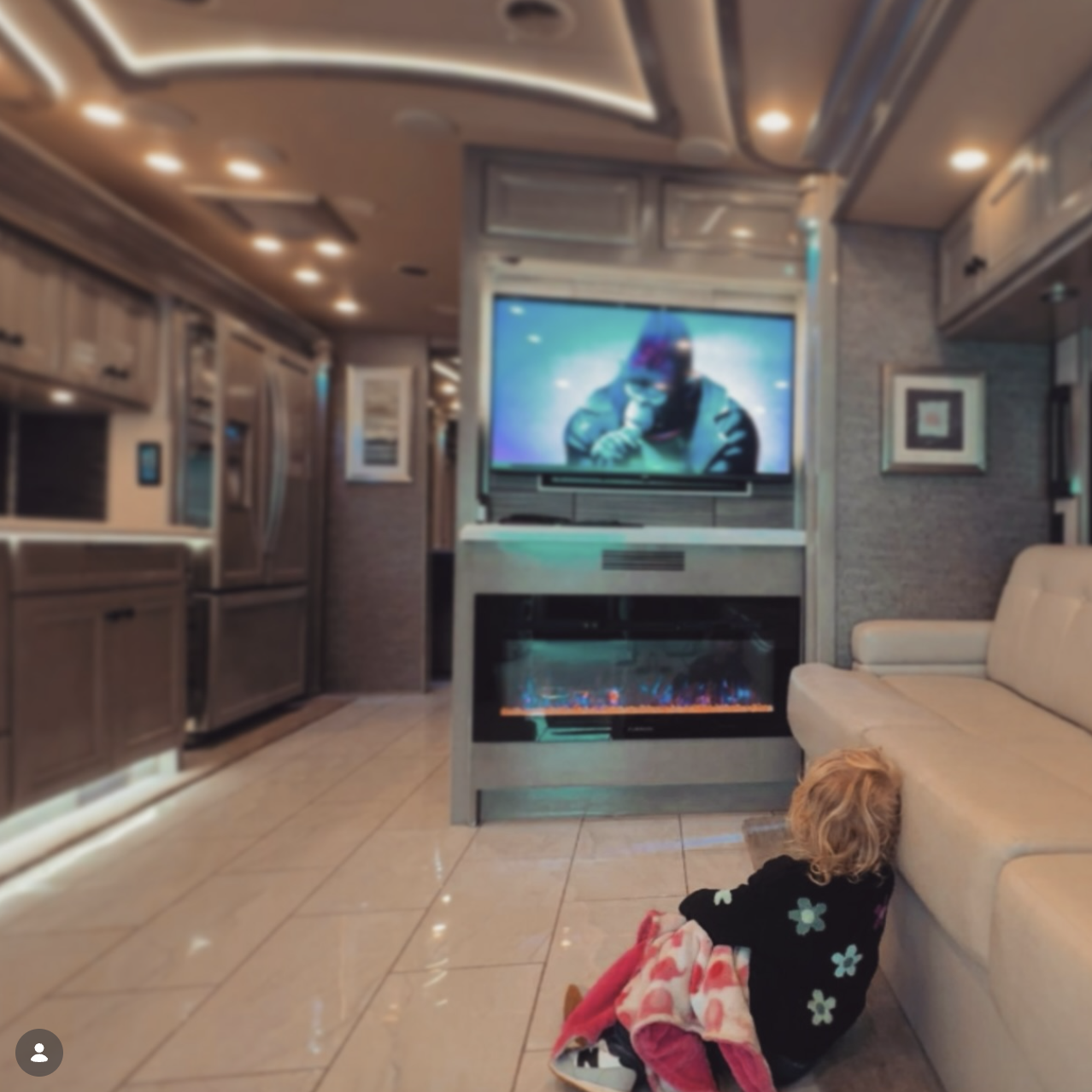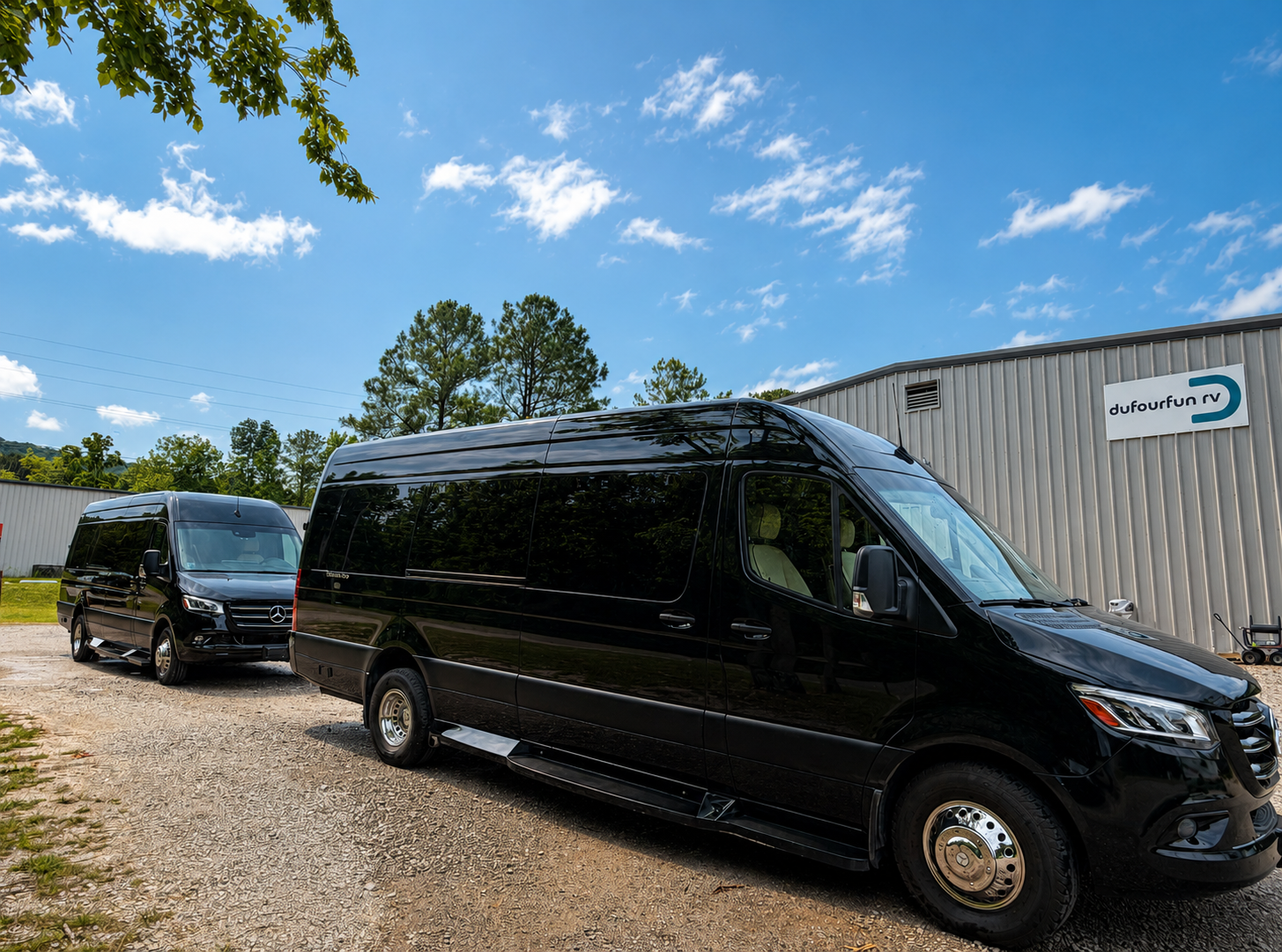

A used luxury Sprinter can look impressive in photos and still be the wrong van for your family. The important questions start after you have admired the leather seats: Does the rear air conditioning work when parked? Can everyone travel comfortably with their luggage? Do the batteries actually support the equipment you plan to use?
Before buying, arrange an independent inspection of the Mercedes chassis and a separate demonstration of the conversion systems. One qualified facility may handle both, but confirm its experience with the installed equipment.
The FTC recommends an independent mechanical inspection even when a used vehicle has been dealer-inspected or carries a warranty. A history report cannot replace that inspection. FTC used-vehicle buying guidance
Use the following checklist to organize the visit. These are recommended buyer checks, not a manufacturer inspection standard. Equipment varies across Ultimate Toys, Midwest Automotive Designs, Grech, L.A. West and other conversions; use the manuals for the exact van.
Start with the paperwork
1. Match the VIN. Compare the windshield VIN, vehicle labels, title and service records. Ask about discrepancies before proceeding.
2. Identify the chassis and conversion separately. Record the Mercedes model year, conversion model, builder and completion date if available. Clarify whether the advertised year describes the chassis or finished conversion.
3. Establish the ownership and title history. Review a vehicle-history report, title documents and any recorded lien. Ask the seller to explain prior rental, shuttle, business or private use. Prior rental use is a reason to examine maintenance and wear closely, not an automatic reason to reject a van.
4. Check recalls. Search the VIN and ask the upfitter about its campaigns. NHTSA’s lookup can omit completed recalls, certain new recalls and some specialty-manufacturer recalls. NHTSA recall lookup and limitations
5. Verify service and remaining warranty. Request dated invoices and VIN-specific coverage confirmation. Include the house batteries, generator and conversion equipment where fitted. Our used luxury Sprinter warranty guide explains which questions belong with Mercedes and which belong with the upfitter.
Inspect the Mercedes chassis
6. Request a cold start. Ask the seller to leave the engine cold for the appointment. Have the technician assess starting, idle, smoke, unusual sounds and warning messages.
7. Obtain a diagnostic scan. Use a workshop equipped to diagnose the specific Sprinter. Request the scan report and an explanation of stored faults, emissions-system concerns and any incomplete readiness checks. No warning light does not prove a clean diagnostic history.
8. Inspect beneath the van. Have the technician examine leaks, corrosion, impact damage, suspension, exhaust and the mounting of conversion equipment. An exterior detail cannot tell you the condition underneath.
9. Check every tire. Include inner rear tires on a dually and the spare if supplied. Ask for tread measurements, date codes, condition and confirmation of suitable tire specifications. Tire age matters alongside tread; follow the vehicle and tire manufacturers’ replacement guidance. NHTSA TireWise
10. Take a meaningful road test. Include normal city and highway driving where appropriate. Ask the technician to evaluate braking, shifting, steering and vibration. Have a properly belted passenger listen for cabin rattles and assess rear-seat comfort.
Check the passenger layout
11. Count the seats you actually want. Separate the two front seats from individual rear captain’s chairs and sofa positions. If you want four captain’s chairs behind the driver, a listing that says “seats ten” does not answer your question.
12. Verify travel seating and restraints. Ask the builder to identify designated travel positions, required seat orientation and locking procedures. Have questionable anchors or belt installations inspected. Do not infer child-seat compatibility from upholstery, seating count or a visible belt.
13. Operate every seat mechanism. With the van parked, test recline, powered adjustment, footrests, swivels and sofa conversion as equipped. Confirm everything returns to its required travel position.
14. Test the luggage space. Bring your usual suitcases or measure them. Check whether a bathroom, folded bed or occupied rear sofa changes usable storage. Golf clubs, strollers and sports equipment need their own space.
15. Confirm weight capacity. Request weight information for the completed conversion, preferably supported by scale readings. Account for occupants, luggage, water and accessories, and verify both total and axle limits. Mercedes warns that vehicle and axle ratings must not be exceeded; use the finished vehicle’s applicable labels and documentation. Mercedes Sprinter operator’s manual, technical data
Test the cabin without relying on the engine
16. Test rear cooling and heating. Check passenger comfort from the rear seats. Ask the seller to demonstrate operation while driving and in the parked configurations the builder supports. Identify which equipment needs shore power, an inverter, the engine or a generator.
17. Identify the house batteries. Record their chemistry, model, installation date and available warranty. Ask a qualified technician to assess condition under an appropriate load. A display reading “100%” alone does not establish remaining battery capacity.
18. Demonstrate each supported power source. Have the seller show shore-power charging, engine charging, inverter operation and generator operation if equipped. Follow the installed systems’ procedures; leave electrical testing to a qualified technician. The Grech Terreno manual illustrates how charging and inverter functions form distinct parts of a coach’s electrical system, but other conversions may work differently. Grech Terreno owner’s manual
19. Verify the equipment behind the screens. Test outlets, USB ports, lights, TVs, audio and controls. Check refrigerator cooling after appropriate operating time. Ask which apps, subscriptions, remotes and account transfers are needed for continued use.
20. Demonstrate your actual parked use case. If you expect to stop for lunch with the AC and refrigerator running, ask for that combination to be demonstrated within system limits. Record the starting battery level, loads and test duration. A short demonstration can reveal a fault; it cannot prove all-day runtime.
Inspect the bathroom, body and handover
21. Run the water system. If fitted and safe to operate, test faucets, pump, toilet and water heating with the seller. Inspect accessible plumbing for leaks and ask about winterization. Do not energize equipment that requires water while it is empty.
22. Look for water intrusion. Check around windows, roof equipment, cabinet bases and flooring. Investigate stains, swelling, persistent odors or fresh cosmetic repairs. Have inaccessible roof areas assessed by the inspector.
23. Operate doors, steps and latches. Test entry doors, powered steps, shades and cabinet catches. Ask for a demonstration of emergency releases and exits using the conversion’s instructions.
24. Record aftermarket changes. Request invoices and installation documentation for added seats, suspension, alternators, batteries, solar and entertainment equipment. Have the inspector flag wiring or mounting that needs specialist review.
25. Put the handover in writing. List included accessories, keys and remotes, agreed repairs and any untested systems. Clarify deposit refund conditions and inspection contingencies before paying. Obtain repair estimates for unresolved items rather than treating a seller’s verbal estimate as the final cost.
What to do with the results
| Finding | Recommended next step |
|---|---|
| Cosmetic wear with otherwise satisfactory inspection | Decide whether condition and price fit your expectations |
| An appliance or power feature was not demonstrated | Arrange the correct test before counting it as working |
| A documented repair is needed | Get a written scope, estimate and completion agreement |
| Seat security, braking, tires or electrical safety is uncertain | Stop the road test or equipment demonstration until assessed |
| VIN, title or seller authority is unresolved | Resolve the documentation before payment |
A useful inspection produces evidence: photos, measurements, diagnostic results and a written list of findings. Keep that package with the van’s service history.
Find a van that fits your real trips
Start with the passengers and luggage you carry most often, then match the layout and equipment to that use. Review luxury Sprinter vans for sale at Dufourfun Vans and ask about the exact seating arrangement, available records and inspection options for the van you are considering.
The right used van should make sense in the driveway, during an independent inspection and on the trips you actually plan to take.