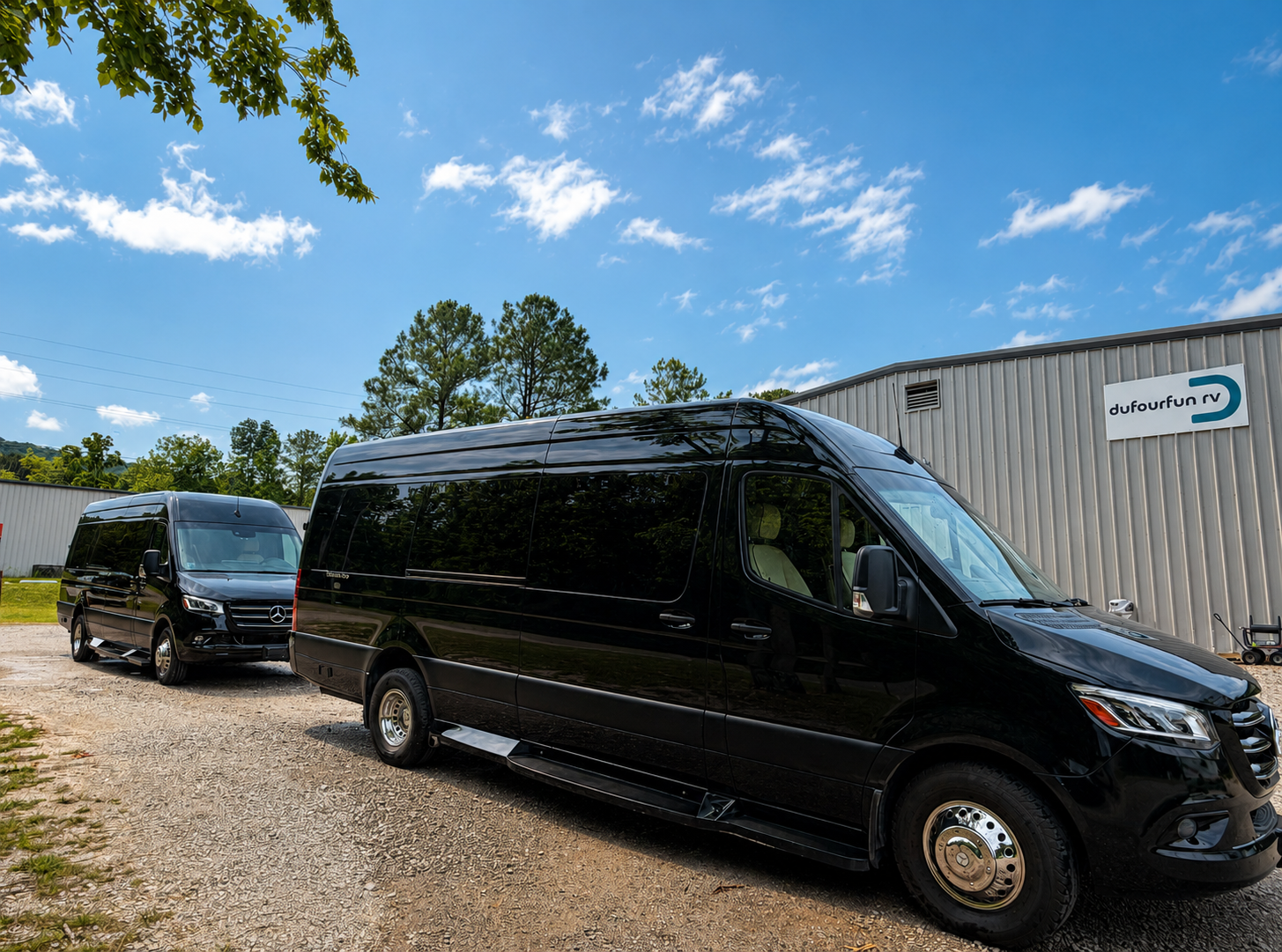

A luxury van is two vehicles in one: a factory chassis and a conversion built on top of it. The VIN tells you a lot about the first and very little about the second. Before you buy, ask for three documents that together describe what the van really is.
This is editorial buying guidance, not legal advice. Not every document exists for every van, and sellers may have some but not all of them.
Why the VIN is not enough
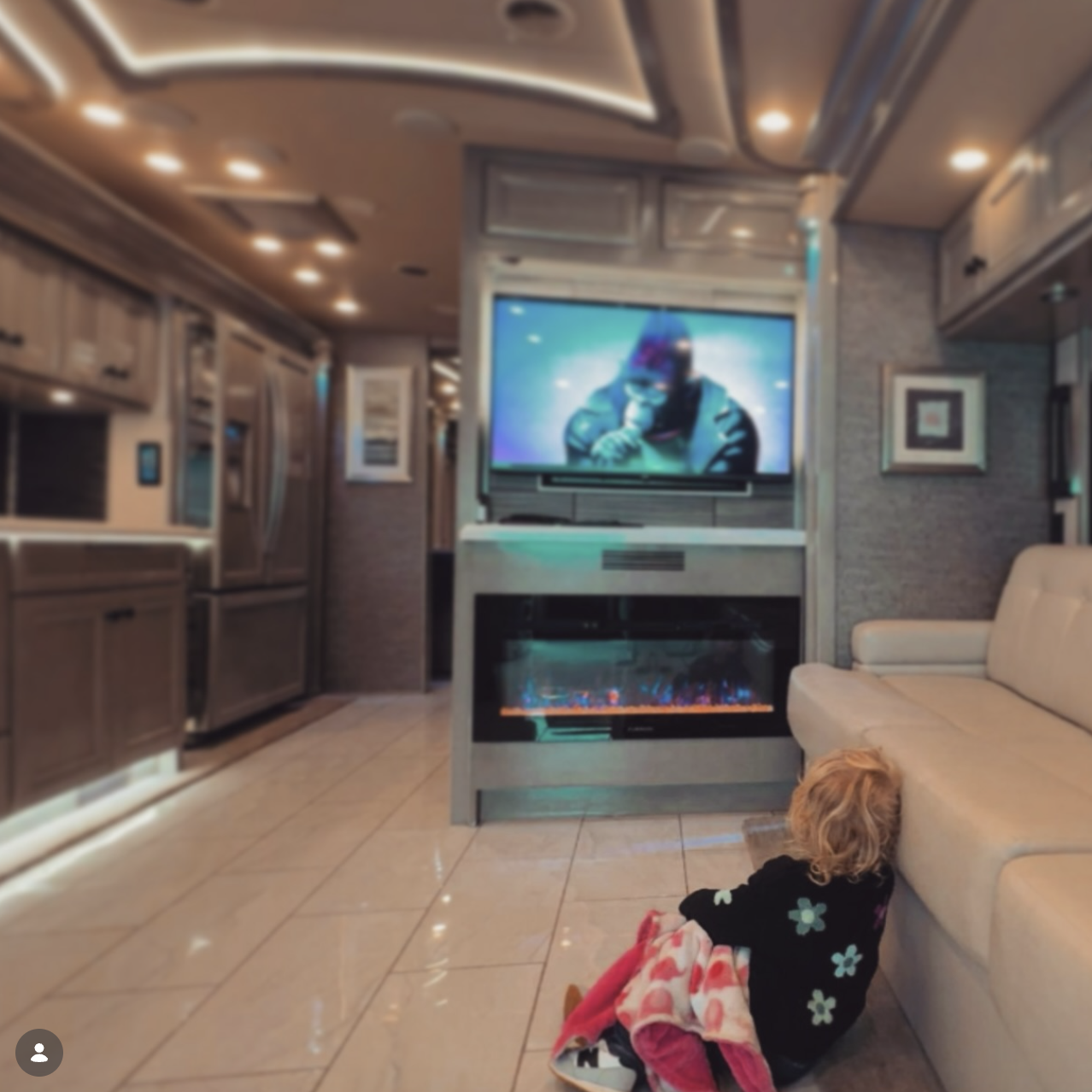
The NHTSA VIN decoder can return details the chassis manufacturer reported, such as make, model and body information. It does not list the captain's chairs, partition, lighting, entertainment system or air suspension a converter added later.
Converters also vary their builds by configuration. Current manufacturer pages show this: the Ultimate Toys Ultimate Limo page and OGV's VDrive page describe model families with different layouts and options, and Midwest Automotive Designs offers several conversion types on the Sprinter chassis. Those pages are examples of variation, not proof of what any particular used van contains.
The three documents
A. Chassis window sticker, VIN data card or factory equipment record
This shows what Mercedes-Benz or the chassis maker built: engine, drivetrain, factory safety equipment and options. Mercedes-Benz Vans owner's manuals are organized by model year and help you understand factory features once you know the configuration.
B. Converter build sheet or option sheet for this exact vehicle
This is the record from the upfitter of what it installed: seating, partition, electronics, lighting, cabinetry and packages. Ask that it reference the VIN or the converter's own serial number. A generic brochure is not a build sheet.
C. Aftermarket installation invoices and warranty or service documents
Many luxury vans receive upgrades after conversion, such as air suspension or audio. Invoices show who did the work and when. Ask for any warranty terms and whether they transfer to a new owner.
How to use them together
| Check | What to match | Where to verify |
|---|---|---|
| VIN | Title, chassis record, converter paperwork and inspection report | NHTSA VIN decoder |
| Open recalls | Any unrepaired safety recalls | NHTSA recall lookup |
| Installed features | Build sheet and invoices against what you see in the van | In-person walkthrough |
| Warranty | Coverage, dates and transferability | Written terms from the seller or warrantor |
| Condition | Mechanical and conversion systems | Independent inspection |
Five steps before you sign
- Match the VIN everywhere. It should be identical on the title, chassis record, build paperwork and inspection report.
- Run a recall check. Enter the VIN at NHTSA's recall lookup and ask whether open recalls have been repaired.
- Compare paper to reality. Walk through the van with the build sheet and test each listed feature.
- Get promises in writing. The FTC's guide to buying a used car from a dealer explains the Buyers Guide, warranties and why written terms matter.
- Get an independent inspection. The FTC recommends an independent inspection before you buy. For luxury vans, include the conversion systems. Our used luxury Sprinter inspection checklist can help.
When a document is missing
Missing paperwork is not always a deal breaker, but it shifts more weight onto inspection and testing. Ask the seller whether the converter can supply a replacement record. Weigh the price and your own confidence accordingly. For more on recalls, read our luxury Sprinter recall and VIN check guide.
Compare documented vans
View Vans for Sale and ask which build documents are available for any van you like. Starting fresh? Build Your Custom Van and keep a complete record from day one.