
Luxury captain’s chairs can look ideal for a family road trip, but upholstery, leg rests and power controls do not establish child-restraint compatibility. Before buying, identify the exact designated seating position for each child and prove that the intended restraint can be installed correctly there.
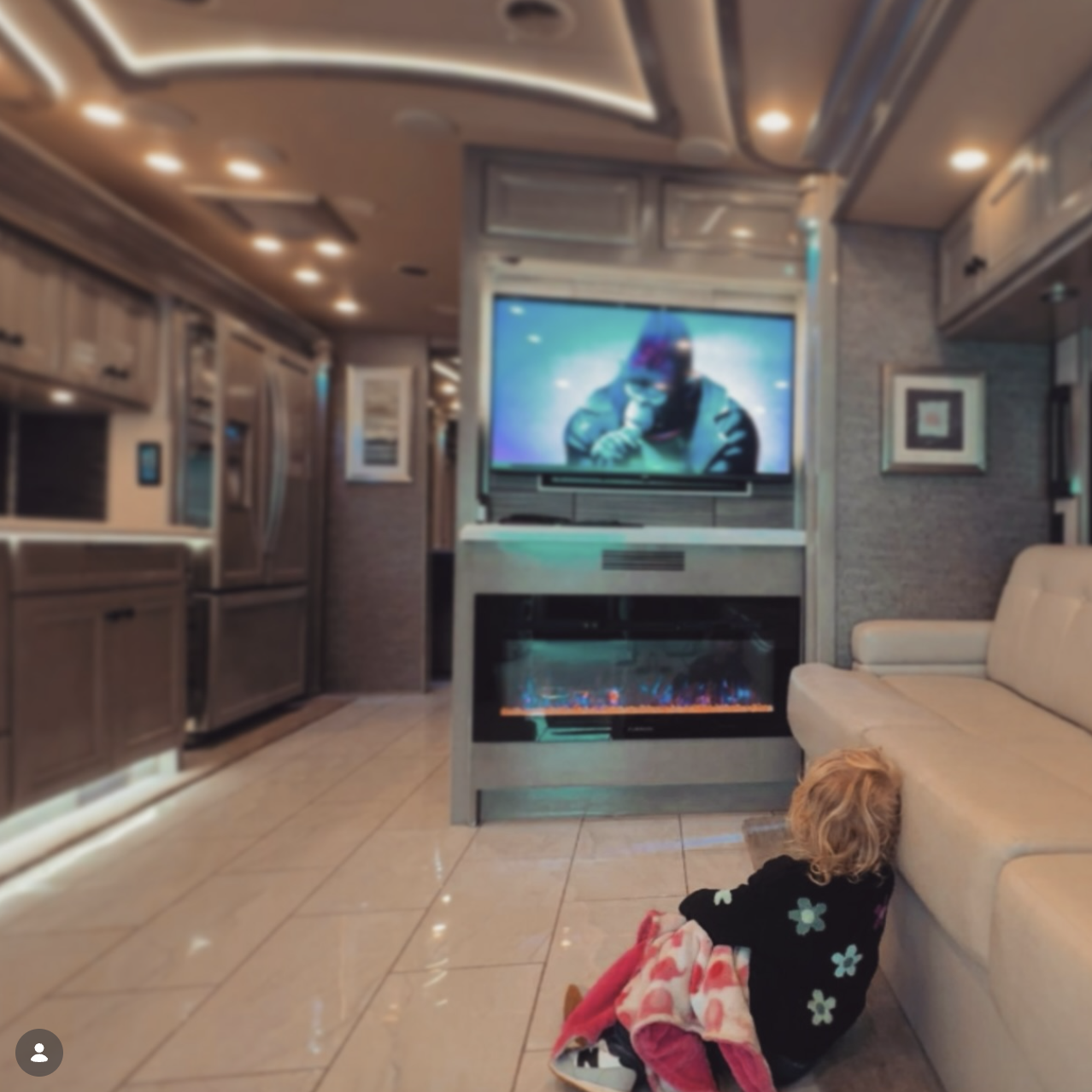
The accompanying Dufourfun image shows a child inside a parked van. It is not an example of a travel position or restraint setup.
Start with the exact chair
NHTSA advises buyers to choose a child restraint based on the child’s age and size, make sure it fits the vehicle, and follow both the restraint manufacturer’s instructions and the vehicle owner’s manual. It also recommends keeping children in the back seat through age 12. NHTSA car-seat guidance
Converted vans add another layer: the conversion manufacturer may have separate instructions for the installed rear seating. Ask for all manuals that apply to that chair and position.
For every child, record:
| Item | What to verify |
|---|---|
| Child’s restraint stage | Rear-facing, forward-facing, booster or vehicle belt |
| Intended captain’s chair | Exact row and side, not just “one of the rear seats” |
| Travel orientation | The position approved for use while moving |
| Installation method | Lower anchors and tether, or vehicle seat belt |
| Restraint limits | Height and weight limits from its instructions |
| Chair settings | Required recline, swivel, slide and leg-rest positions |
| Adjacent clearance | Fit without unsafe contact or blocked access |
Do this before purchase using the child restraint you own or the exact model you plan to buy.
LATCH is position-specific
Do not assume every visible metal loop is a lower anchor, and do not assume every captain’s chair has the same equipment.
Ultimate Toys’ current Ultimate Coach page lists child-seat anchors on forward-facing seats as part of its Ultra Luxe package description. That is useful model information, but it does not prove that every used Ultimate Coach, every package year or every rear chair has the same anchors. Ultimate Coach specifications
Ask the seller to identify compatible positions in the correct manual. Inspect the anchors and seat belts for damage or obstruction, but do not improvise an attachment point.
A seat-belt installation may be permitted when both the child-restraint and vehicle instructions support it. NHTSA notes that car seats may be installed using the seat belt or lower anchors and tether as applicable. Follow the stated method and limits rather than choosing based only on convenience.
Swivel and recline features require attention
A captain’s chair may rotate for conversation while parked, recline deeply or extend a powered leg rest. Those features can create ambiguity about the approved travel position.
Before the test drive, ask the seller to show the correct forward-travel orientation and locking procedure for every chair. Confirm that the seat locks securely and no warning remains. Then determine whether the child restraint can remain correctly installed while the chair is in the required travel setting.
Do not travel with a seat turned sideways or rearward merely because it locks in a parked layout. Use only orientations approved in the applicable instructions.
Test family access, not just installation
A technically compatible position can still make daily travel awkward. Install the restraint and check:
- Whether an adult can tighten and release it properly
- Whether the child can enter without climbing over another passenger
- Whether the aisle and exit remain usable
- Whether adjacent chairs can move without disturbing the installation
- Where a stroller and bags fit when all passengers are seated
- Whether the bathroom remains accessible during stops
If you need multiple child restraints, install all of them simultaneously. A layout that works for one may fail when chairs, tables and luggage compete for space.
Our passenger van versus Class B RV guide can help families decide how much priority to give passenger space versus camping equipment.
Check recalls for both vehicle and restraint
Use the 17-character VIN in NHTSA’s recall lookup, and separately search the exact child-restraint model. NHTSA explains that vehicle, car-seat, tire and equipment recalls can all be checked through its system. NHTSA recall search
The VIN search may not display every older, recently announced or small-manufacturer campaign, according to NHTSA. Also ask the conversion manufacturer about service campaigns or recalls affecting the installed seating and equipment.
Keep proof of completed repairs. Register the child restraint with its manufacturer so future safety notices can reach you.
Arrange a professional check
NHTSA provides an inspection-station locator for installation help. Availability and expertise with a particular conversion can vary, so describe the vehicle and rear seating when scheduling.
Bring:
- The child restraint and its instructions
- The vehicle and conversion manuals
- The child, when the inspection program recommends it
- Any documentation supplied for the converted seats
- Your intended seating plan for the whole family
Do not wait until departure day to discover that a chair, anchor or belt does not work with your setup.
Make compatibility a purchase condition
Before buying, state in writing which child restraints must fit and where. If the seller cannot provide the applicable instructions or allow a proper installation check, treat compatibility as unverified.
Use our 25-point used luxury Sprinter inspection checklist for the rest of the vehicle. Then browse luxury vans for sale with your passenger count, restraint types and luggage needs ready.
The best family van is not simply the one with the most captain’s chairs. It is the one with documented, usable travel positions for every passenger.