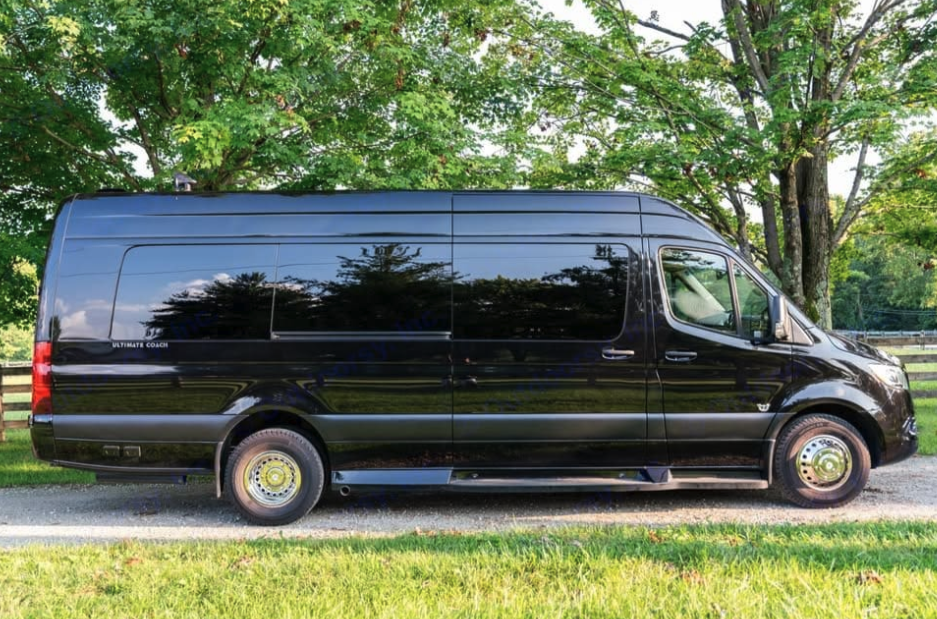
A diesel luxury Sprinter can be an excellent long-distance van, but buyers should understand two emissions-system basics before purchase: diesel exhaust fluid (DEF) and the diesel particulate filter (DPF). They are separate systems, and warning messages from either one should not be treated as routine decoration.
Procedures and messages vary by model year and equipment. The vehicle’s own operator manual—not a generic internet shortcut—is the controlling reference.
DEF and DPF do different jobs
DEF is a fluid used by the selective catalytic reduction system to reduce nitrogen-oxide emissions. The DPF traps particulate matter from the exhaust and periodically uses heat to burn accumulated soot in a process called regeneration.
That means:
| Item | What the owner manages | Useful pre-purchase question |
|---|---|---|
| DEF | Fluid level, correct fluid and warning messages | Has the vehicle ever reached a restart or speed-limit warning? |
| DPF | Drive cycle, regeneration history and fault messages | Is the van used mostly for short trips or long highway runs? |
| Both | Correct diagnosis and documented repairs | Are there invoices and scan results, not just a cleared light? |
The 2024 Mercedes-Benz Sprinter operator manual shows how seriously the van treats DEF warnings: escalating messages can include a limited number of restarts and eventually restricted operation. Exact thresholds and instructions can differ in another model year, so obtain the correct manual for the VIN.
Short trips matter to the DPF
Regeneration needs specific operating conditions and creates very hot exhaust. In its 2024 manual, Mercedes-Benz warns that predominantly short-distance use or extended non-operation can interfere with automatic DPF cleaning. For that manual, the manufacturer recommends a roughly 20-minute highway or country-road drive every 300 miles for vehicles mainly driven short distances.
Treat that as a model-year-specific manufacturer instruction, not a universal recipe for every Sprinter. A warning light or persistent message calls for diagnosis, not an improvised “Italian tune-up.”
The same manual says stationary manual regeneration is special equipment, not standard. If a seller says the van can perform a parked regeneration, verify the option and demonstrate the menu rather than assuming every Sprinter has it.
What to ask the seller
A credible emissions-system history is more valuable than a freshly cleared dashboard. Ask for:
- oil-change invoices showing the correct specification for that model year;
- DEF purchase or service history when available;
- repair invoices naming the actual fault codes and replaced parts;
- evidence of DPF cleaning, replacement or forced regeneration;
- records for sensors, heaters, pumps or SCR components;
- the date and mileage of the last check-engine event;
- confirmation that factory emissions hardware and software remain intact.
Also review the official Mercedes-Benz Vans warranty and maintenance resources for the correct model-year documents. Coverage depends on year, in-service date, mileage, component and jurisdiction; never assume the chassis warranty covers an aftermarket conversion component.
How to inspect a used diesel luxury van
Start the van cold if possible. Watch for warning lights that fail to illuminate during the bulb check, messages that disappear unusually quickly, excessive smoke, unstable idle or strong exhaust odor. Then take a long enough test drive for full operating temperature.
A qualified Sprinter technician should scan all control modules, not only read a generic engine code. Ask the technician to evaluate:
- stored, pending and permanent diagnostic trouble codes;
- DPF soot or load data and regeneration history where available;
- DEF level and quality-related data;
- SCR efficiency and relevant sensor readings;
- oil level and signs of dilution;
- software status and evidence of emissions-system tampering.
A clean dashboard does not prove the system is healthy: codes can be cleared shortly before a sale. Add these checks to our broader used luxury Sprinter inspection checklist.
Do not buy a “deleted” emissions system
A seller may describe removed or disabled emissions equipment as an upgrade. For a road-going vehicle, that can create legal, registration, warranty, resale and repair problems. The EPA’s civil enforcement information on aftermarket defeat devices explains the federal prohibition on tampering with required emissions controls.
If the van has non-factory exhaust hardware, tuning or unexplained warning suppression, pause the purchase until a qualified shop identifies what was changed and whether it can be returned to compliant condition.
DEF handling is simple—but exact
Mercedes-Benz’s 2024 instructions say to put DEF only in the DEF tank, avoid overfilling and use a non-drip connection. The manual also provides a minimum top-up quantity when prompted. Your model-year manual may differ.
A practical ownership routine:
- Check DEF level before a long trip.
- Use fluid that meets the specification in the owner’s manual.
- Keep DEF away from the diesel filler.
- Do not permanently carry a leaking refill container inside the finished cabin.
- Respond to the first warning instead of waiting for restart limits.
The buying decision
A diesel Sprinter with documented highway use, correct maintenance and clean diagnostic data may be a better buy than a lower-mile van that spent years on very short trips. Mileage alone cannot tell you how the emissions system has been treated.
Budget for a pre-purchase scan by a Sprinter specialist and make any unresolved warning a written condition of sale. For warranty context, read our used luxury van warranty guide, then compare documented luxury vans for sale.